בדיקות דם
נבדק על ידי Dr Toni Hazell, FRCGPעודכן לאחרונה על ידי ד"ר היילי וילאסי, FRCGP עודכן לאחרונה 13 בפברואר 2023
עומד בהנחיות העריכה של Patient
- הורדהורד
- שתף
- Language
- דיון
- Ask Patient
- גרסת שמע
- הוסף למקורות מועדפים בגוגל
The main reasons to know your blood group are if you need to have a blood transfusion or if you are pregnant. You cannot request a blood test just to know your blood group on the NHS.
במבט חטוף
דם מורכב מתאי דם (אדומים, לבנים וטסיות) ופלזמה.
תאי דם אדומים נושאים חמצן, תאי דם לבנים נלחמים בזיהומים, וטסיות דם מסייעות לקרישת הדם.
בדיקות דם נעשות מסיבות רבות, כולל אבחון מצבים או מעקב אחר טיפולים.
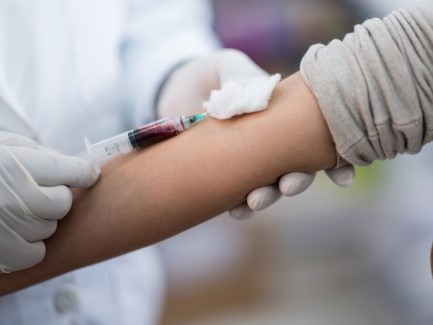
כמות קטנה של דם נלקחת בדרך כלל מווריד בזרוע שלך.
ייתכן שתצטרך לצום לפני כמה בדיקות דם.
לאחר בדיקת דם, ייתכן שיופיע חבורה, או לעיתים נדירות, ייתכן שתרגיש חולשה.
פנה לרופא אם מקום בדיקת הדם הופך אדום ומודלק.
What is blood made up of?
Blood cells
These can be seen under a microscope and make up about 40% of the blood's volume. Blood cells are made in the bone marrow by blood 'stem' cells. Blood cells are divided into three main types:
Red cells (erythrocytes)
These make blood a red colour. One drop of blood contains about five million red cells. A constant new supply of red blood cells is needed to replace old cells that break down. Millions of red blood cells are made each day. Red cells contain a chemical called haemoglobin. This binds to oxygen and takes oxygen from the lungs to all parts of the body.
White cells (leukocytes)
There are different types of white cells which are called neutrophils (polymorphs), lymphocytes, eosinophils, monocytes and basophils. They are part of the מערכת חיסונית. Their main role is to defend the body against infection.
Neutrophils engulf germs (bacteria) and destroy them with special chemicals.
Eosinophils and monocytes also work by swallowing up foreign particles in the body.
Basophils help to intensify inflammation.
Inflammation makes blood vessels leaky. This helps specialised white blood cells get to where they are needed. Lymphocytes have a variety of different functions. They attack viruses and other germs (pathogens). They also make antibodies which help to destroy pathogens.
Platelets
These are tiny and help the blood to clot if we cut ourselves.
Plasma
This is the liquid part of blood and makes up about 60% of the blood's volume. Plasma is mainly made from water but also contains many different proteins and other chemicals, such as:
Hormones.
Antibodies.
Enzymes.
Glucose.
Fat particles.
Salts.
In order to constantly make blood cells, haemoglobin and the constituents of plasma, you need a healthy bone marrow and nutrients from food including iron and certain vitamins.
When blood spills from your body (or a blood sample is taken into a plain glass tube) the cells and certain plasma proteins clump together to form a clot. The remaining clear fluid is called serum.
How is a blood test normally done?
The vein used for blood sampling is usually on the inside of your elbow or the back of your wrist.
A tight band (tourniquet) is usually placed around your upper arm. This makes the vein fill with blood and makes it easier for the blood sample to be taken.
The skin over the vein may be cleaned with an antiseptic wipe.
A needle is then inserted into the vein through the clean skin, causing a sharp pricking sensation. The needle is connected either to a syringe, or directly to blood sample bottles.
The tourniquet is undone. When the required amount of blood is taken, the needle is removed. The small wound is pressed on with cotton wool for a few minutes to stop the bleeding and prevent bruising. A sticking plaster may be put on. The blood is placed in bottles. There may be a slight ache following a blood test.
How much blood is normally taken?
This depends on the sort of tests you are having done. Many tests can be done on the same sample of blood so you do not need to have a single bottle for each one: The bottles do not necessarily have to be completely filled either.
Purple bottle - 3 ml - used for a full blood count (FBC) and ESR. An FBC needs 1 ml; a full 2.5 ml is needed if an ESR is also performed.
Yellow bottle - 2.5 ml - this is used for a lot of different chemical tests, so it is usually completely filled.
Other less common tests come in bottles up to 6 ml in volume and blood culture bottles are the largest size at 10 ml.
If you need a lot of tests therefore, you could end up having about 30 ml of blood (about six medicine teaspoons) taken out of your arm. It's worth saying that the body can well cope with this, as the volume is soon made up by the blood production system in the bone marrow. Considering that about 500 ml of blood are given by blood donors during each donation, this is certainly not an excuse for tea and biscuits!
Variations of blood taking
Some blood tests require several samples taken over a period of time. For example, they may be done to check how you respond to something. If you require repeated samples fairly close to each other (over the following few hours or so), a doctor may insert a 'butterfly' needle into the vein, which can be taped to the skin. Samples of blood can then be taken without using a needle each time.
If only a small amount of blood is needed then a few drops of blood can be squeezed out from a small prick in the tip of the finger or earlobe. For example, only a small amount of blood is needed for checking the blood sugar (glucose) level, using a test strip of paper.
Some blood tests are taken from an artery in the wrist. For example, to measure the level of oxygen in the artery. This is usually only done in hospital in certain circumstances.
Children who need a blood test may be given cream to put on at home before the test to numb the skin.
Fasting blood test
You may be told not to eat or drink anything except water before certain blood tests. The amount of time you will be requested to fast varies from test to test and even sometimes from doctor to doctor. The fasting time for a blood glucose test for example is usually 8 to 10 hours. For a fasting cholesterol test it can be 9 to 12 hours. Fasting tests are usually done in the morning so you can fast through the night. Recent guidelines advise that fasting may not be necessary when having a cholesterol check, but be guided by your doctor.
Are there any complications from blood taking?
Sometimes a bruise develops where the needle was inserted. This is much less likely to happen if you press over the site with cotton wool for several minutes with your arm left straight (not bent).
As with any wound, an infection may develop where the needle was inserted. See your doctor if the wound site becomes red and inflamed. Rarely, some people feel faint during a blood test. Tell the person doing the test if you feel faint, as you should immediately lie down to prevent fainting.
Different blood samples
Blood can be tested for many different things. The person who requests the blood test will write on the form which tests they want the laboratory to do. Different blood bottles are used for different tests. For example, for some tests the blood needs to clot and the test is looking for something in the serum. For some tests, the blood is added to some chemicals to prevent it from clotting. If the blood glucose is being measured then the blood is added to a special preservative, etc. This is why you may see your blood added to blood bottles of different sizes and colours.
Blood tests are taken for many different reasons - for example, to:
Help diagnose certain conditions, or to rule them out if symptoms suggest possible conditions.
Monitor the activity and severity of certain conditions. For example, a blood test may help to see if a condition is responding to treatment.
Check the body's functions such as liver function and kidney function when you are taking certain medicines which may affect the liver or the kidneys.
Check your blood group before receiving a blood transfusion.
Common blood tests
FBC blood test - this is also called a full blood count. It checks for anaemia and other conditions which affect the blood cells.
UE blood test - this is often written as 'U+E', U and Es' or 'U&E' and stands for urea and electrolytes. It is used as a measure of kidney function.
GFR blood test - this is another measure of kidney function.
LFT blood test - this stands for liver function test.
Blood sugar (glucose) level.
HbA1c blood test - this is a test used in the diagnosis and management of diabetes.
GTT.
Immunology - such as checking for antibodies to certain viruses and germs (bacteria).
TSH blood test - this stands for thyroid-stimulating hormone and is one of the tests for thyroid function.
CA 125 blood test - this is a test for סרטן השחלות.
PSA blood test - this is a test for סרטן הערמונית.
BNP blood test - this is a test for אי ספיקת לב.
ANA blood test - this is a test for autoimmune conditions.
MCH blood test - this is used in the investigation of אנמיה.
MCV blood test - this is used in the investigation of אנמיה.
INR blood test - this is a test for blood clotting for people on anticoagulants.
CK blood test - this is a test for התקפי לב, and muscle and brain conditions.
FSH blood test - a test for ovarian function and תסמונת השחלות הפוליציסטיות.
CEA blood test - a test for סרטן המעי.
LDH blood test- a test for tissue damage in the body.
בחירות המטופלים עבור בדיקות דם
בדיקות וחקירות
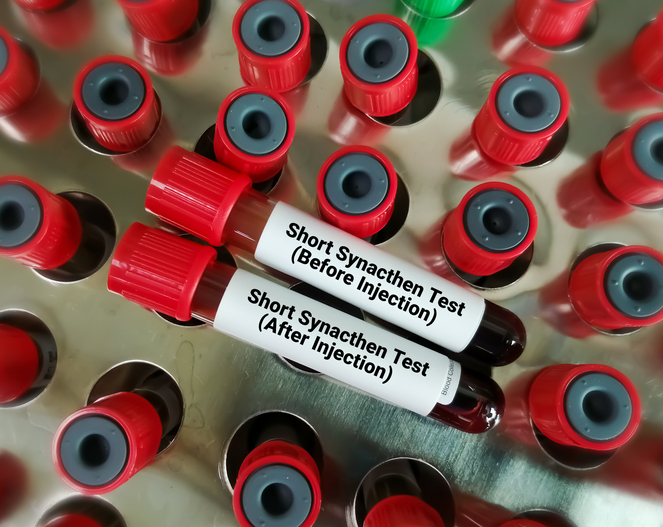
בדיקת סינקטן
בדיקת סינקטן בודקת את תפקוד בלוטות יותרת הכליה. היא יכולה לעזור לבדוק האם בלוטות יותרת הכליה מייצרות מספיק הורמון סטרואידי (קורטיזול). הערה: המידע להלן הוא מדריך כללי בלבד. הסידורים והאופן שבו מבוצעות הבדיקות משתנים לעיתים קרובות בין בתי חולים שונים. תמיד יש לפעול לפי ההנחיות שניתנו על ידי הרופא שלך או בית החולים המקומי.
מאת ד"ר פיליפה וינסנט, MRCGP

בדיקות וחקירות
בדיקות קרישת דם
בדיקות קרישת דם משמשות לאבחון והערכת בעיות דימום ולמעקב אחר אנשים הנוטלים וורפרין או תרופות נוגדות קרישה אחרות.
מאת ד"ר היילי וילאסי, FRCGP
שאלות נפוצות
מדוע משתמשים בבקבוקים בצבעים שונים לדגימות דם?
בקבוקים בצבעים שונים משמשים מכיוון שחלק מהבדיקות דורשות שהדם ייקרש, בעוד שאחרות זקוקות להוספת כימיקלים כדי למנוע קרישה לצורך ניתוחים ספציפיים. לדוגמה, אם נמדדת רמת הגלוקוז בדם, מוסיפים חומר משמר מיוחד לדם בבקבוק. זה מבטיח שהדגימה מוכנה כראוי לבדיקות הספציפיות שהוזמנו.
האם ילדים יכולים לעבור בדיקת דם מבלי להרגיש דקירה?
כן, עבור ילדים הזקוקים לבדיקת דם, רופא עשוי להמליץ על שימוש בקרם מיוחד שניתן למרוח בבית לפני הבדיקה. קרם זה עוזר לאלחש את העור, מה שיכול להפחית את תחושת הדקירה של המחט במהלך לקיחת הדם.
מהו 'סרום' וכיצד הוא שונה מפלזמה?
סרום הוא הנוזל הצלול שנשאר לאחר שהדם נקרש והתאים וחלק מחלבוני הפלזמה התגבשו יחד. פלזמה, לעומת זאת, היא החלק הנוזלי של הדם שמרכיב כ-60% מנפחו ומכילה מים, חלבונים, הורמונים, נוגדנים, אנזימים, גלוקוז, חלקיקי שומן ומלחים. כאשר הדם נקרש, מרכיבים מסוימים מוסרים, ומשאירים סרום.
קריאה נוספת והפניות
- בדיקות מעבדה אונליין® - בריטניה
- Nordestgaard BG, Langsted A, Mora S, et al; Fasting is not routinely required for determination of a lipid profile: clinical and laboratory implications including flagging at desirable concentration cut-points-a joint consensus statement from the European Atherosclerosis Society and European Federation of Clinical Chemistry and Laboratory Medicine. Eur Heart J. 2016 Jul 1;37(25):1944-58. doi: 10.1093/eurheartj/ehw152. Epub 2016 Apr 26.
- Jorgensen HL, Lind BS; Blood tests - too much of a good thing. Scand J Prim Health Care. 2022 Jun;40(2):165-166. doi: 10.1080/02813432.2022.2104436.
אודות המחברצפה בפרופיל המלא
עודכן על ידי

Dr Hayley Willacy, FRCGP
רופא כללי, מחבר רפואי
MBChB (1992), DRCOG, DFFP, MRCOG (Part 1) MRCGP (2007), DFSRH (2013), MSc - medical education (2020)
ד"ר היילי וילאסי הייתה רופאה כללית ב-NHS שעבדה בצפון מערב אנגליה, ופרשה מעבודתה הקלינית בשנת 2022 לאחר 30 שנות עבודה.
אודות המבקרצפה בפרופיל המלא

Dr Toni Hazell, FRCGP
MBBS, BSc, FRCGP, DFSRH, Dip GU med, DRCOG, DCH (London, UK, 2000)
ד"ר טוני הייזל סיימה את לימודיה בבית הספר לרפואה של בית החולים סנט מרי ועשתה את התמחותה בבית החולים נורת'וויק פארק.
שתפו את מחשבותיכם או חוויותיכם עם אחרים ב קהילות המטופלים שלנו.
גישה פשוטה לטיפולים ושירותי בריאות אמינים באינטרנט.
Common conditions
Get help with common conditions through the NHS, without a GP appointment.





הירשמו לניוזלטר של פיישנט
המנה השבועית שלך של עצות בריאות ברורות ואמינות - נכתבה כדי לעזור לך להרגיש מעודכן, בטוח ובשליטה.
על ידי הרשמה אתה מקבל את שלנו מדיניות הפרטיות שלנו. באפשרותך לבטל את המנוי בכל עת. לעולם לא נמכור את הנתונים שלך.