החמרות חריפות של COPD
COPD flare-ups
נבדק על ידי ד"ר היילי וילאסי, FRCGP עודכן לאחרונה על ידי Dr Colin Tidy, MRCGPעודכן לאחרונה 14 Oct 2022
עומד בהנחיות העריכה של Patient
- הורדהורד
- שתף
- Language
- דיון
- גרסת שמע
- הוסף למקורות מועדפים בגוגל
בסדרה זו:מחלת ריאות חסימתית כרוניתנפחתספירומטריהמשאפים למחלת ריאות חסימתית כרוניתמוקוליטיםמרחיבי סימפונות דרך הפה
An acute exacerbation is more commonly known as a 'flare-up'. An acute exacerbation of מחלת ריאות חסימתית כרונית (COPD) is a sudden worsening of COPD symptoms compared with the usual severity of symptoms. This often means a worsening of breathlessness and an increase in coughing, with more phlegm (sputum).
במבט חטוף
COPD flare-ups are a sudden worsening of COPD symptoms like breathlessness and cough.
Most flare-ups are caused by chest infections or air pollution.
Symptoms of a flare-up can include increased breathlessness, cough, and changes in phlegm.
You should see a doctor if symptoms are severe, do not improve quickly, or if you have concerns.
Treatment involves increasing inhaler use, oral steroids, and sometimes antibiotics.
Severe flare-ups causing blue lips or confusion need urgent hospital treatment.
מה זה COPD?
COPD is a lung disease with symptoms such as cough, sputum production and breathlessness. It cannot be cured but treatments can make the symptoms better. It is caused by obstruction in the airflow which usually worsens over months to years. In the UK, it is estimated that about 3 million people are affected, with about 2 million of these being undiagnosed..
COPD is now the preferred term for what used to be called chronic bronchitis, emphysema, or chronic obstructive airways disease.
What causes COPD to flare up?
Acute flare-ups (exacerbations) of COPD occur more often if your COPD isn't well controlled and you have more severe ongoing symptoms.
Most flare-ups are caused by upper respiratory tract infections or chest infections caused by either viruses or bacteria.
Really bad air pollution can also cause exacerbations, especially in the middle of big, busy cities.
Who gets COPD?
COPD symptoms are usually difficult to spot at first. Most people are not diagnosed until they are 35 years of age or older.
The number of people with COPD increases with their age and varies significantly by area of the country. It is more common in areas where there is a lot of social deprivation, but it is not known whether this is because of exposure to cigarette smoke or to other factors such as air pollutants, poor nutrition and over-crowding.
COPD is more common in men, but in recent years it has increased in women. This is because more women are smoking and also women tend to live longer than men.
What are the symptoms of a COPD flare-up?
COPD flare-ups can cause:
Increased breathlessness and difficulty with breathing - being less able to do any physical exercise or do your usual daily activities.
Increased amount of phlegm (sputum) and a change in colour of the sputum. This may become green or dirty brownish.
Increased wheeze heard from your chest.
Feeling very tired and generally unwell.
Severe COPD exacerbations may cause a bluish colour (cyanosis) in your lips and tongue and make you feel drowsy and confused. These are warning signs that you're not getting enough oxygen and usually mean that you need urgent treatment in hospital.
When you see a healthcare professional they might notice that:
You have difficulty talking in full sentences.
Your breathing rate per minute is higher than it should be (more than 20 for a normal adult).
You are breathing through pursed lips.
You are using additional chest wall muscles to breathe.
You may be a little confused.
You may have a bluish discolouration around your lips.
You may have developed some ankle swelling.
You may be less able to do your normal daily routine of jobs.
What else might it be?
If you have COPD, it's important not to assume that any worsening of symptoms is always because of COPD. You should always see your doctor or nurse if you're not sure. Other causes of similar symptoms in patients with COPD include:
Are there any tests?
You should see your doctor to check the diagnosis and make sure you're taking the right treatments. Often no investigations are needed if it's clear that an infection is making your chest worse.
Investigations may be needed if there is any doubt about why your symptoms have become worse. These tests may include:
Blood tests (including tests to check for anaemia and kidney function).
Samples of your sputum sent to the hospital laboratory to check for an infection.
ה צילום חזה.
You may need admission to hospital for further investigations if your symptoms are severe or the diagnosis isn't clear.
Lung function tests (spirometry) are not useful during an exacerbation and so are not usually recommended.
What are the treatments for COPD flare-ups?
The general principles of treatment are to increase the inhalers that open up the airways (bronchodilators) and to take an oral steroid (usually פרדניזולון). Antibiotics should only be used if there is any evidence of a bacterial infection.
You should act quickly as soon as you realise that your symptoms are getting any worse. Most people with COPD are given a treatment plan to follow if the symptoms get any worse. This often includes having a supply of steroid tablets (prednisolone) to start as soon as any increased breathlessness starts to affect your activities. You will also often be given an antibiotic to take as soon as your phlegm (sputum) changes colour.
However, it's very important to see your doctor if your symptoms don't get better quickly, if your symptoms are really bad or if you have any concerns.
Treatment at home
The treatment for an acute flare-up (exacerbation) at home includes:
Increasing the dose of short-acting inhalers to help open up the airways (bronchodilators). Spacer devices help to get more of the inhaler down into your airways and so make the treatment more effective. Inhalers used with a spacer device are as effective as using a nebuliser.
A 5 day course of an oral steroid (usually prednisolone) should be used if there is a significant increase in breathlessness unless there's a reason why you can't be prescribed an oral steroid.
You should only take a course of an antibiotic medicine if your sputum changes colour or if your doctor thinks you may have a chest infection. A sample of your sputum is usually sent to the hospital microbiology laboratory to check whether you are taking the right antibiotic for your infection.
More severe COPD flare-ups may need treatment with oxygen.
Admission to hospital
If your symptoms are very severe, or if treatments at home are not working well enough, you may need to be admitted to hospital. In hospital, you can be monitored more closely.
Often the same medicines are given to you but at higher doses or in a different form.
Tests can be performed with the results very quickly available, such as:
A chest X-ray.
Blood tests to measure how much oxygen there is in your blood (arterial blood gases).
Chest physiotherapy can be started to help you clear the sputum from your chest and help you to breathe more easily.
Nebulisers:
If you are very breathless it may be impossible to use your inhaler. Nebulisers are machines that turn the bronchodilator medicines into a fine mist, like an aerosol. You breathe this in with a face mask or a mouthpiece.
Although nebulisers are usually no more effective than normal inhalers used with a spacer device, they are useful if you are very tired with the increased effort of breathing.
Oxygen treatment:
You may need oxygen to help you breathe. Sometimes a special machine (either a bi-level positive airway pressure (BiPAP) machine or a continuous positive airway pressure (CPAP) machine) is used to help you breathe.
This is called non-invasive ventilation (NIV). It consists of a close-fitting facemask and drives oxygen into your lungs, forcing the airways to open.
In very severe cases, you might need more help with breathing, in an intensive care unit (ICU). A tube can be put into your windpipe and connected to a machine that 'breathes' for you (a ventilator).
How can you reduce the risk of further COPD flare-ups?
It is really important to reduce your risk of having any further COPD flare-ups (exacerbations). Exacerbations can make you very unwell and frequent exacerbations can also make your usual everyday symptoms get worse even when you're not having an exacerbation. The risk of having any further exacerbations can be reduced by:
Controlling your COPD symptoms as best you can. This includes:
Not smoking.
Taking your medications as directed by your doctor or nurse.
Attending regular check-ups to make sure your COPD is well controlled. See the separate leaflet called Chronic Obstructive Pulmonary Disease (COPD) for further information.
It is very important to have the recommended vaccinations (flu (influenza) vaccination ו חיסון נגד פנאומוקוק) to help reduce the risk of these infections.
מה התחזית?
Most COPD flare-ups (exacerbations) respond well to treatment and your symptoms will return to your usual level after about 7-10 days.
But COPD flare-ups can be very serious. They may make you very unwell and need urgent or even emergency hospital treatment.
The outlook for people admitted to hospital with an acute flare-up of COPD is variable and will depend on the cause and severity of the flare-up. The risk of death is greater for people who need admission to the Intensive Care Unit (ICU) when in hospital.
COPD flare-ups can also accelerate any gradual worsening of your usual COPD symptoms after the exacerbation has resolved, especially if the exacerbations occur frequently. They can also greatly restrict your activities and so reduce your quality of life.
It is therefore very important to start treatment as soon as possible once an exacerbation starts
.
בחירות המטופלים עבור COPD
חזה וריאות
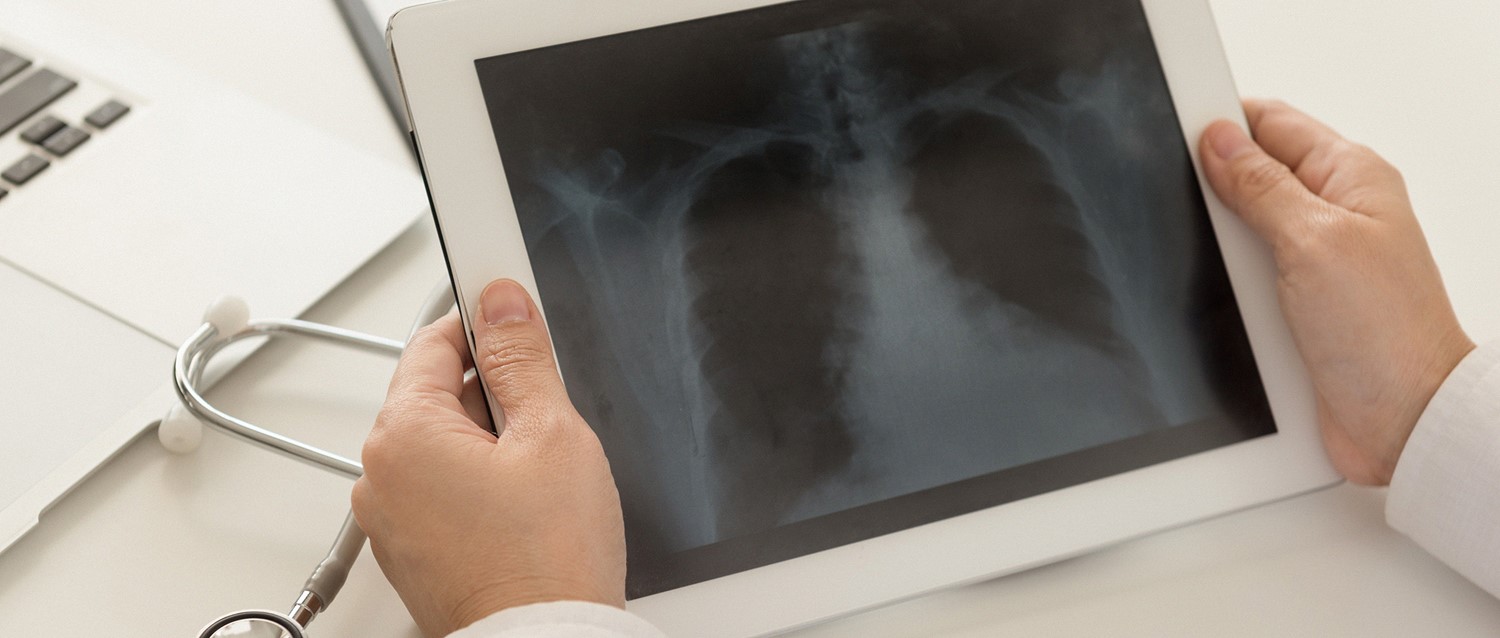
מחלת ריאות חסימתית כרונית
Chronic obstructive pulmonary disease (COPD) is a long-term condition of the lungs where the flow of air to the lungs is obstructed. Symptoms include cough and breathlessness. The condition is most often caused by smoking and the most important treatment is to stop smoking. Inhalers are commonly used to ease symptoms. Other treatments such as steroids, antibiotics, oxygen, and mucus-thinning (mucolytic) medicines are sometimes prescribed in more severe cases, or during a flare-up (exacerbation) of symptoms.
מאת ד"ר טוני הייזל, FRCGP
חזה וריאות
שימוש בטיפול בחמצן ב-COPD
Oxygen is used for some chronic lung conditions. Chronic obstructive pulmonary disease (COPD) is one of these conditions. Long-term oxygen use can help to relieve the strain on the heart. However, it does not relieve breathlessness.
מאת ד"ר אוליבר סטאר, MRCGP
שאלות נפוצות
How often can COPD flare-ups occur?
The article doesn't specify an exact frequency for COPD flare-ups. However, it does state that flare-ups occur more often if your COPD isn't well controlled and you have more severe ongoing symptoms. Additionally, frequent exacerbations can worsen your usual everyday symptoms even when you're not having a flare-up.
How long do COPD flare-ups typically last?
Most COPD flare-ups respond well to treatment and your symptoms should return to your usual level after about 7-10 days. Prompt treatment is important, as the longer an exacerbation goes untreated, the more difficult it can be to manage.
What is the difference between a flare-up and an exacerbation of COPD?
The terms 'flare-up' and 'exacerbation' are used interchangeably in the article to describe a worsening of COPD symptoms. They both refer to periods when your usual symptoms like breathlessness, cough, and phlegm increase, making you feel unwell.
Why is it important to prevent frequent COPD flare-ups?
Preventing frequent COPD flare-ups is crucial because they can make you very unwell and may require urgent hospital treatment. Repeated exacerbations can also lead to a permanent worsening of your usual COPD symptoms and significantly reduce your quality of life by restricting your activities.
Are there any specific lifestyle changes I can make to reduce my risk of COPD flare-ups?
Yes, there are important lifestyle changes and actions you can take. These include not smoking, taking your prescribed medications as directed by your doctor or nurse, and attending regular check-ups to ensure your COPD is well controlled. Additionally, getting recommended vaccinations مثلflu and pneumococcal vaccinations can help reduce the risk of infections that cause flare-ups.
קריאה נוספת והפניות
- BTS/Home Oxygen Guideline Group Guidelines for Home Oxygen Use in Adults; BMJ Thorax (2016).
- מחלת ריאות חסימתית כרונית; הנחיות NICE (דצמבר 2018 - עודכן לאחרונה ב-2019)
- מחלת ריאות חסימתית כרונית; NICE CKS, נובמבר 2021 (גישה בבריטניה בלבד)
- Ritchie AI, Wedzicha JA; Definition, Causes, Pathogenesis, and Consequences of Chronic Obstructive Pulmonary Disease Exacerbations. Clin Chest Med. 2020 Sep;41(3):421-438. doi: 10.1016/j.ccm.2020.06.007.
- Celli BR, Wedzicha JA; Update on Clinical Aspects of Chronic Obstructive Pulmonary Disease. N Engl J Med. 2019 Sep 26;381(13):1257-1266. doi: 10.1056/NEJMra1900500.
- Ko FW, Chan KP, Hui DS, et al; Acute exacerbation of COPD. Respirology. 2016 Oct;21(7):1152-65. doi: 10.1111/resp.12780. Epub 2016 Mar 30.
אודות המחברצפה בפרופיל המלא

Dr Colin Tidy, MRCGP
רופא כללי, מחבר רפואי
MBBS, MRCGP, MRCP (Paediatrics), DCH
ד"ר קולין טיידי הוא רופא ב-NHS, הממוקם באוקספורדשייר.
אודות המבקרצפה בפרופיל המלא

Dr Hayley Willacy, FRCGP
רופא כללי, מחבר רפואי
MBChB (1992), DRCOG, DFFP, MRCOG (Part 1) MRCGP (2007), DFSRH (2013), MSc - medical education (2020)
ד"ר היילי וילאסי הייתה רופאה כללית ב-NHS שעבדה בצפון מערב אנגליה, ופרשה מעבודתה הקלינית בשנת 2022 לאחר 30 שנות עבודה.
היסטוריית המאמר
המידע בעמוד זה נכתב ונבדק על ידי קלינאים מוסמכים.
המאמר זמין גם ב אנגלית, גרמנית, ספרדית, צרפתית, איטלקית, פורטוגזית, הינדי, עברית, ערבית, and שוודית.
הסקירה הבאה מתוכננת ל: 13 אוקטובר 2027
14 Oct 2022 | הגרסה האחרונה
6 Jul 2017 | פורסם במקור
נכתב על ידי:
Dr Colin Tidy, MRCGP

שאלו, שתפו, התחברו.
עיין בדיונים, שאל שאלות ושתף חוויות במאות נושאים בריאותיים.

מרגיש לא טוב?
הערך את הסימפטומים שלך באינטרנט בחינם
הירשמו לניוזלטר של פיישנט
המנה השבועית שלך של עצות בריאות ברורות ואמינות - נכתבה כדי לעזור לך להרגיש מעודכן, בטוח ובשליטה.
על ידי הרשמה אתה מקבל את שלנו מדיניות הפרטיות שלנו. באפשרותך לבטל את המנוי בכל עת. לעולם לא נמכור את הנתונים שלך.