ברדיקרדיה
נבדק על ידי Dr Doug McKechnie, MRCGPעודכן לאחרונה על ידי Dr Colin Tidy, MRCGPעודכן לאחרונה 29 יוני 2024
עומד בהנחיות העריכה של Patient
- הורדהורד
- שתף
- Language
- דיון
- גרסת שמע
- הוסף למקורות מועדפים בגוגל
ברדיקרדיה היא קצב לב נמוך ולעיתים קרובות מתרחשת אצל אנשים שהם בכושר טוב מאוד, כמו ספורטאים. עם זאת, היא עשויה להתרחש גם בגלל מצב רפואי בסיסי כמו בעיית לב או בלוטת תריס תת-פעילה.
במבט חטוף
Bradycardia means your heart beats very slowly.
A slow heart rate may be normal if you are very fit or during sleep.
Sometimes, bradycardia is caused by a medical condition or medication.
Symptoms can include dizziness, tiredness, shortness of breath, and chest pains.
An electrocardiogram (ECG) is used to diagnose bradycardia.
Treatment depends on the cause; a pacemaker may be needed if the heart's electrical system is damaged.
Seek emergency help for collapse, severe chest pain, or increased shortness of breath.
What is bradycardia?
Bradycardia means that your heart beats very slowly. For most people, their resting heart rate is between 60 and 100 beats per minute (bpm).
Low heart rate
A low heart rate (fewer than 60 bpm) may sometimes be normal and can be a sign of being very fit. This normal slow heartbeat doesn't cause any problems and does not need any treatment. This is called sinus bradycardia, with a reduced rate of the electrical signal that controls the heart beat. Sinus bradycardia is common, particularly in well-conditioned athletes. Bradycardia is also normal during sleep.
What causes bradycardia?
However, sometimes bradycardia is caused by an underlying medical condition and does cause symptoms.
Bradycardia may be a sign of a problem with the heart's electrical impulses. It means that the heart's natural pacemaker isn't working right (eg, sick sinus syndrome) or that the electrical pathways of the heart are disrupted (eg, heart block).
In severe forms of bradycardia, the heart beats so slowly that it doesn't pump enough blood to meet the body's needs. This can cause symptoms and can be life-threatening.
When to worry about low heart rate
A low heart rate is often harmless but the causes of bradycardia include various heart conditions or other conditions such as hypothyroidism. Symptoms associated with a low heart rate that need to be assessed and investigated by a healthcare professional include:
Lack of energy.
עייפות.
סחרחורת.
Fainting or loss of consciousness.
חולשה.
Confusion/memory problems.
Bradycardia symptoms
Bradycardia may not cause any symptoms. However, bradycardia may cause you to feel:
Dizzy or light-headed. You might even experience faints or sudden collapse.
Short of breath, especially with exercise.
Very tired.
ה pain in your chest or a thumping or fluttering feeling in your chest (palpitations).
Confused or that you are having trouble concentrating.
גורמי סיכון
There are many possible causes. Bradycardia may be normal, especially in young very fit people. Otherwise, the possible causes include:
Abnormal conduction of the electrical impulse that stimulates the heart to pump blood around your body. Read more about קצבי לב לא תקינים (הפרעות קצב).
Damage to the heart caused by a התקף לב (אוטם שריר הלב).
מום לב מולד. (A congenital condition is a condition that you are born with.)
A complication of heart surgery.
Medications - eg, beta-blockers או digoxin.
How is bradycardia diagnosed?
Taking your pulse rate reveals a very slow heartbeat.
The first tests will include blood tests and a tracing of your heart (electrocardiogram, or ECG).
Bradycardia often comes and goes, so you may need a portable (ambulatory) ECG, using a Holter monitor.
Bradycardia treatment and management
The treatment depends on the underlying cause and the symptoms. If the bradycardia isn't causing any symptoms there is no need for any treatment unless treatment is needed for the underlying cause of the bradycardia.
If damage to the heart's electrical system causes your heart to beat too slowly, you may need to have a pacemaker. A pacemaker is a device placed under your skin that helps correct the low heart rate. People who have a pacemaker can lead normal, active lives; however, this will also depend on the underlying condition.
If another medical problem, such as hypothyroidism or an imbalance of salts (electrolytes), is causing a low heart rate then treating the cause will often cure the bradycardia.
If a medicine is causing your heart to beat too slowly, your doctor may lower the dose of the medicine or change it to a different medicine.
Always obtain emergency help (in the UK, call 999) if you, or someone near you, have collapsed or if you have symptoms of a heart attack, such as severe chest pain or severe shortness of breath.
Also seek emergency help if your heart rate is slower than usual and you feel like you might pass out, or if you notice increased shortness of breath.
סיבוכים
For most people, bradycardia will not cause any complications. Any complications will depend on the underlying cause of the slow heart rate.
If severe bradycardia isn't treated, it can lead to serious problems. These may include:
Fits (seizures).
מוות.
Bradycardia prevention
Bradycardia can be caused by heart disease, so healthy lifestyle advice is very important. This includes:
See the separate leaflet called Cardiovascular disease (Atheroma) למידע נוסף.
בחירות המטופלים עבור דפיקות לב
בריאות הלב וכלי הדם
פרפור פרוזדורים
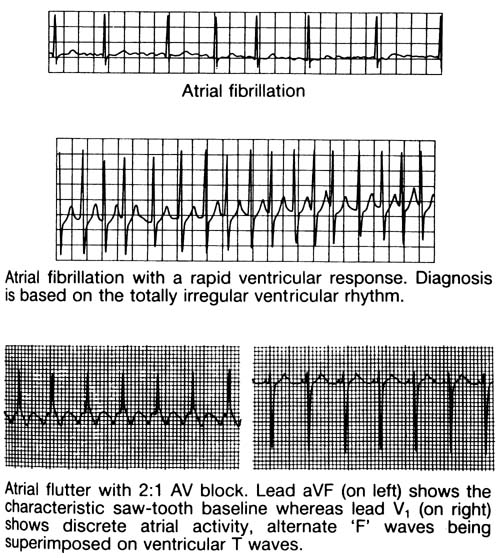
Atrial fibrillation (AF) is an abnormal fast irregular heartbeat. An abnormal heartbeat rhythm is called an arrhythmia. A normal heart rate is between 60 and 100 beats a minute (bpm) when you're resting. In AF the heart rate can sometimes be very fast (often between 140 and 180 bpm) as well as being irregular.
מאת ד"ר דאג מקקנזי, MRCGP

בריאות הלב וכלי הדם
טכיקרדיה על-חדרית
Supraventricular tachycardia (SVT) causes an abnormally fast heart rate. It can cause symptoms such as palpitations, dizziness and shortness of breath. Many episodes of SVT don't last very long and stop without any treatment. Sometimes treatment is needed to stop an episode of SVT.
מאת ד"ר קרוליין וויגינס, MRCGP
שאלות נפוצות
What is the difference between normal slow heartbeat and bradycardia as a medical problem?
A normal slow heartbeat, known as sinus bradycardia, occurs when the electrical signal controlling your heart beats at a reduced rate. This is common in very fit individuals and during sleep, and doesn't cause any problems or require treatment. However, if bradycardia is caused by an underlying medical condition, it can lead to symptoms and in severe cases, the heart may not pump enough blood, which can be life-threatening.
Can high blood pressure contribute to bradycardia?
Yes, high blood pressure (hypertension) is listed as one of the possible risk factors or causes of bradycardia.
Are there any specific infections that can cause bradycardia?
Yes, an infection of the heart tissue, known as myocarditis, is listed as one of the potential causes of bradycardia.
What kind of blood tests are done to diagnose bradycardia?
The initial tests for diagnosing bradycardia include blood tests, though the article does not specify what these blood tests look for. They are performed alongside an electrocardiogram (ECG) to assess your heart's activity.
How long do I need to wear a portable ECG monitor if episodes of bradycardia come and go?
If bradycardia comes and goes intermittently, your doctor may recommend using a portable (ambulatory) ECG, specifically a Holter monitor, to record your heart's electrical activity over a period. The article does not specify the exact duration of wear, but such monitors are typically used for extended periods to capture infrequent events.
Can managing other health conditions help cure bradycardia?
Yes, if an underlying medical problem like an underactive thyroid gland (hypothyroidism) or an imbalance of salts (electrolytes) is causing a low heart rate, treating that specific condition will often resolve the bradycardia.
קריאה נוספת והפניות
- בדיקת הדופק שלך; הקרן הבריטית ללב
- Mason KP, Lonnqvist PA; Bradycardia in perspective-not all reductions in heart rate need immediate intervention. Paediatr Anaesth. 2015 Jan;25(1):44-51. doi: 10.1111/pan.12584. Epub 2014 Nov 20.
- Adult Bradycardia Algorithm; Resuscitation Council UK, 2021
- Sidhu S, Marine JE; Evaluating and managing bradycardia. Trends Cardiovasc Med. 2020 Jul;30(5):265-272. doi: 10.1016/j.tcm.2019.07.001. Epub 2019 Jul 9.
- Cinier G, Haseeb S, Bazoukis G, et al; Evaluation and Management of Asymptomatic Bradyarrhythmias. Curr Cardiol Rev. 2021;17(1):60-67. doi: 10.2174/1573403X16666200721154143.
- הפורמולרי הלאומי הבריטי (BNF); שירותי ראיות NICE (גישה בבריטניה בלבד)
אודות המחברצפה בפרופיל המלא

Dr Colin Tidy, MRCGP
רופא כללי, מחבר רפואי
MBBS, MRCGP, MRCP (Paediatrics), DCH
ד"ר קולין טיידי הוא רופא ב-NHS, הממוקם באוקספורדשייר.
אודות המבקרצפה בפרופיל המלא

Dr Doug McKechnie, MRCGP
כותב רפואי
MA, MBBS, MSc, DRCOG, MRCP(UK), MRCGP(2021), FHEA
ד"ר דאג מקקני הוא רופא משפחה ב-NHS העובד בלונדון. הוא עובד במשרה מלאה קלינית ומשמש גם כסגן ראש המודול לפרקטיקה קלינית ומקצועית בבית הספר לרפואה של יוניברסיטי קולג' לונדון.
היסטוריית המאמר
המידע בעמוד זה נכתב ונבדק על ידי קלינאים מוסמכים.
המאמר זמין גם ב אנגלית, גרמנית, ספרדית, צרפתית, איטלקית, פורטוגזית, הינדי, עברית, ערבית, and שוודית.
הסקירה הבאה מתוכננת ל: 28 יוני 2027
29 יוני 2024 | הגרסה האחרונה

שאלו, שתפו, התחברו.
עיין בדיונים, שאל שאלות ושתף חוויות במאות נושאים בריאותיים.

מרגיש לא טוב?
הערך את הסימפטומים שלך באינטרנט בחינם
הירשמו לניוזלטר של פיישנט
המנה השבועית שלך של עצות בריאות ברורות ואמינות - נכתבה כדי לעזור לך להרגיש מעודכן, בטוח ובשליטה.
על ידי הרשמה אתה מקבל את שלנו מדיניות הפרטיות שלנו. באפשרותך לבטל את המנוי בכל עת. לעולם לא נמכור את הנתונים שלך.