Beta-blockers
Peer reviewed by Dr Rachel Hudson, MRCGPLast updated by Dr Rosalyn Adleman, MRCGPLast updated 23 Mar 2023
Meets Patient’s editorial guidelines
- DownloadDownload
- Share
- Language
- Discussion
- Audio Version
- Add to preferred sources on Google
Beta-blockers are medicines that are used to treat a variety of conditions. Their full correct name is beta-adrenoceptor blocking medicines (or beta-adrenergic blocking agents), but they are commonly just called beta-blockers.
At a glance
Beta-blockers are medicines that stop certain nerve impulses and hormones from stimulating receptors in the body.
They can reduce heart rate and blood pressure by blocking receptors in the heart.
Beta-blockers are used for heart conditions, anxiety, glaucoma, migraines, and tremors.
Side-effects can include a slow heart rate, cool hands and feet, tiredness, or vivid dreams.
Some people with asthma, very slow heart rate, or low blood pressure cannot take beta-blockers.
Report suspected side-effects through the Yellow Card Scheme.

Unsure about mixing medicines?
Check for possible interactions between medicines, supplements and foods before taking them together.
How do beta-blockers work?
Beta-blockers work by blocking the transmission of certain nerve impulses. The ends of some nerves release a chemical (neurotransmitter) called noradrenaline when the nerve is stimulated. This chemical then stimulates beta-adrenergic receptors.
These receptors are tiny structures which occur on cells in various parts of the body, including the heart, brain, and blood vessels. When these receptors are stimulated, they cause various effects. For example, nerve impulses to the heart can stimulate beta-adrenergic receptors on heart cells. This causes an increase in the force and rate of the heartbeat. This can cause a fast heartbeat and higher blood pressure.
The beta-adrenergic receptors are also stimulated by adrenaline (epinephrine), a hormone which circulates in the bloodstream. Adrenaline is made in the adrenal gland. The blood level of adrenaline can vary. For example, you may release a lot of adrenaline into the bloodstream when you are frightened or anxious which can cause an increase in your heart rate, and other effects.
The beta-blocker medicine 'sits' on beta-adrenergic receptors and stops (blocks) the receptor from being stimulated. So, for example, if beta-adrenergic receptors in the heart are blocked, the force and rate of the heartbeat are reduced.
Types of beta-blockers
There are several types of beta-blockers - these include:
Each type has one or more brand names.
What are beta-blockers used for?
Heart and blood vessel conditions
Because of their effect on the heart cells, beta-blockers may be used to:
Reduce the risk of a further heart attack (myocardial infarction) if you have already had one.
Control certain abnormal heart rhythms (arrhythmias), particularly those where the heartbeat is too fast. A common arrhythmia is called atrial fibrillation. Beta-blockers are often used to control the fast heart rate in atrial fibrillation. Calcium-channel blockers are an alternative medicine that can be used for this problem.
Help to treat heart failure.
Other conditions
Because beta-adrenergic receptors are found in other parts of the body, beta-blockers are also used for various other conditions. These include:
Glaucoma. Beta-blocker eye drops reduce the fluid that you make in the front chamber of the eye. This reduces the pressure in the eye.
Anxiety. Beta-blockers do not reduce anxiety itself but can reduce some of the symptoms. For example, they can reduce shaking (tremor) and a fast heart rate.
Overactive thyroid gland. Beta-blockers can help to reduce symptoms such as tremor, and slow down a fast heart rate.
Migraine. Beta-blockers can reduce the number of migraine attacks if the attacks occur frequently.
Tremors - beta-blockers can be used in benign hand tremors which have no other underlying cause and are causing significant problems in daily activities.
Beta-blockers side-effects
Most people who take beta-blockers have no side-effects, or only minor ones. However, because of their action in various parts of the body, some people have unwanted side-effects. The side-effects of beta-blockers include::
Sometimes the heart rate can go too slowly. This can make you dizzy or feel faint.
If you have diabetes you need to be aware that beta-blockers may dull the warning signs of low blood sugar (hypoglycaemia - often called a hypo). For example, you may not develop the sensation of rapid, forceful or irregular heartbeats (palpitations) or tremor, which tend to occur as the blood sugar is going too low.
Some people develop cool hands and feet when taking beta-blockers. This is because they can narrow (constrict) small blood vessels and reduce the circulation to the skin of the hands and feet.
Tiredness, depression, inability to achieve a proper erection (impotence), vivid dreams, nightmares and other sleeping problems occur in some people.
There is some evidence to suggest that beta-blockers may provoke type 2 diabetes to develop in some people.
Some people with asthma are advised not to take a beta-blocker. If you have asthma or something similar, discuss this with your GP.
The above is not a full list of possible side-effects but mentions the main ones that may occur. Read the information leaflet that comes with your particular brand for a full list of possible side-effects and cautions.
How long can you stay on beta-blockers?
The length of treatment depends on why you are taking a beta-blocker. Some people only need to take beta-blockers for a few weeks, or months - for example, if you have an overactive thyroid. Some people need to take beta-blockers for the rest of their lives - for example, after a heart attack (myocardial infarction).
Who cannot take beta-blockers?
You cannot take a beta-blocker if you have certain conditions, including:
Uncontrolled heart failure.
Very slow heart rate (bradycardia).
Low blood pressure (hypotension).
Certain problems with the rhythm of your heart - eg, sick sinus syndrome.
Patient picks for Heart and blood medicines
Treatment and medication
Anticoagulants
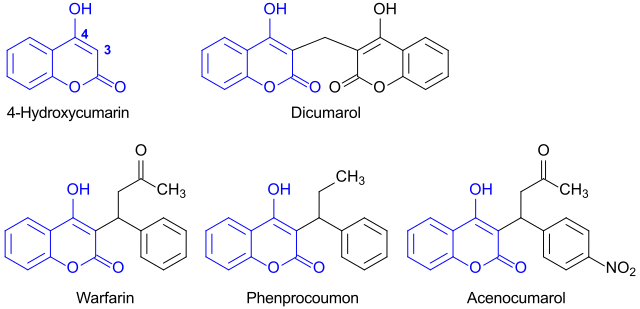
Anticoagulants are medicines that prevent the blood from clotting as quickly or as effectively as normal. Some people call anticoagulants blood thinners. However, the blood is not actually made any thinner - it just does not clot so easily whilst you take an anticoagulant. Anticoagulants are used to treat and prevent blood clots forming in blood vessels, such as in arteries or veins.
by Dr Doug McKechnie, MRCGP
Treatment and medication
Peripheral vasodilators
Peripheral vasodilators are medicines that are used to treat conditions that affect blood vessels in outer (peripheral) parts of the body such as the arms and legs. For example, they are used to treat peripheral arterial disease and Raynaud's phenomenon. They ease the symptoms of these conditions by dilating the blood vessels, preventing them from becoming narrower (constricting). These medicines are usually only prescribed after self-help measures have been tried and symptoms do not improve.
by Dr Surangi Mendis, MRCGP
Frequently asked questions
Can beta-blockers thin blood?
No, beta-blockers are not blood thinners. They work by blocking nerve impulses that affect the heart, not by affecting the blood's clotting ability.
How do beta-blockers make you feel?
While many people experience no side-effects, some might feel tiredness, or experience depression. Other potential effects can include vivid dreams, nightmares, or other sleeping problems. Some people also report cool hands and feet due to reduced circulation to the skin in these areas.
Do beta-blockers affect blood sugar levels?
If you have diabetes, beta-blockers can mask the usual warning signs of low blood sugar (hypoglycaemia). For example, they might prevent you from feeling palpitations or tremors, which normally signal that your blood sugar is dropping. There is also some evidence suggesting they might contribute to the development of type 2 diabetes in some individuals.
Can beta-blockers cause neuropathy?
The article does not mention beta-blockers causing neuropathy (nerve damage) as a side effect. The listed side effects mainly relate to heart function, circulation, mood, sleep, or diabetes management.
Further reading and references
- Hypertension overview; NICE Pathway, August 2011
- Acute coronary syndrome; Scottish Intercollegiate Guidelines Network - SIGN (2016)
- Atrial fibrillation: diagnosis and management; NICE guideline (April 2021 - last updated June 2021)
- 2021 ESC Guidelines for the diagnosis and treatment of acute and chronic heart failure; Developed by the Task Force for the diagnosis and treatment of acute and chronic heart failure of the European Society of Cardiology (ESC) With the special contribution of the Heart Failure Association (HFA) of the ESC
- Migraine; NICE CKS, August 2025 (UK access only)
About the authorView full bio

Dr Rosalyn Adleman, MRCGP
MRCGP
Dr Rosalyn Adleman, is an NHS GP working in north London.
About the reviewerView full bio

Dr Rachel Hudson, MRCGP
General Practitioner and Medical Author
MBChB, MRCGP (2008), BSc (Medical Science), DFSRH, DRCOG, DCH
Dr Rachel Hudson, is an NHS GP working in the North West of England.
Article history
The information on this page is written and peer reviewed by qualified clinicians.
Article also available in English, German, Spanish, French, Italian, Portuguese, Hindi, Hebrew, Arabic, and Swedish.
Next review due: 21 Mar 2028
23 Mar 2023 | Latest version
Join the conversation
Share your thoughts or experiences with others in our patient communities.

Ask, share, connect.
Browse discussions, ask questions, and share experiences across hundreds of health topics.

Feeling unwell?
Assess your symptoms online for free
Sign up to the Patient newsletter
Your weekly dose of clear, trustworthy health advice - written to help you feel informed, confident and in control.
By subscribing you accept our Privacy Policy. You can unsubscribe at any time. We never sell your data.
More in treatment and medication
- Alpha-blockers
- Aminosalicylates
- Antacids
- Antifungal medication
- Antithyroid medicines
- Audiology
- Buprenorphine replacement for heroin
- Cuts
- Diarrhoea medicine
- Disease-modifying antirheumatic drugs
- Hot and cold therapy for pain relief
- Medication and treatment for dementia
- Medicines for urinary urgency and incontinence
- Painkillers
- Peripheral vasodilators
- Physiotherapists
- Proton pump inhibitors
- Steroids
- Thiazide diuretics
- Travel vaccinations