בדיקת PSA
אנטיגן ספציפי לערמונית
נבדק על ידי Dr Toni Hazell, FRCGPעודכן לאחרונה על ידי Dr Philippa Vincent, MRCGPעודכן לאחרונה 15 דצמבר 2024
עומד בהנחיות העריכה של Patient
- הורדהורד
- שתף
- Language
- דיון
- גרסת שמע
- הוסף למקורות מועדפים בגוגל
בסדרה זו:בעיות בערמוניתערמונית מוגדלתאצירת שתןהיצרות השופכהדלקת ערמונית כרוניתתסמינים של דרכי השתן התחתונות אצל גברים
The PSA test (prostate specific antigen) is a blood test which assesses for the likelihood of prostate cancer. It is also used to monitor the treatment for סרטן הערמונית.
The PSA blood level can also be increased in other conditions. Having an increased PSA test result does not therefore mean that prostate cancer is the diagnosis. At the moment there is no national screening programme for prostate cancer in the UK but there are currently studies looking at whether screening would be appropriate for prostate cancer.
The TRANSFORM randomised controlled trial is being planned to start during 2024. This will include a PSA test amongst others in assessing whether a prostate cancer screening programme is possible or appropriate.
במבט חטוף
בדיקת PSA מודדת את רמת האנטיגן הספציפי לערמונית בדגימת דם.
PSA הוא חלבון המיוצר על ידי בלוטת הערמונית.
מצבים אחרים מלבד סרטן, כמו זיהום בדרכי השתן או גיל מבוגר, יכולים להעלות את רמות ה-PSA.
אל תפלוט זרע, אל תתעמל בצורה מאומצת, ואל תעבור בדיקה רקטלית דיגיטלית במשך זמן מסוים לפני הבדיקה.
רמת PSA מוגברת עשויה להצביע על כך שאתה זקוק לבדיקות נוספות לסרטן הערמונית.
תוצאות חיוביות שגויות ותוצאות שליליות שגויות יכולות להתרחש בבדיקת PSA.
באנגליה, גברים בגיל 50 ומעלה יכולים לבקש בדיקת PSA לאחר דיון ביתרונות ובחסרונות.
Cross-section diagram of the prostate and nearby organs
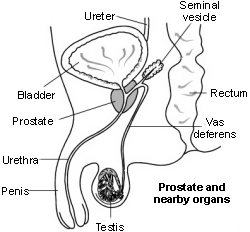
What is a PSA test?
The PSA test (prostate specific antigen) is a blood test that measures the level of prostate specific antigen in the blood. PSA is a protein which is made by the prostate gland. The PSA level in the bloodstream is measured in nanograms per millilitre (ng/mL). PSA is made by normal prostate cells but also by prostate cancer cells.
PSA test preparation
Before having a PSA test, it is important not to have:
An active urine infection.
Produced semen during sex or masturbation (ejaculated) in the previous 48 hours.
Exercised heavily in the previous 48 hours.
Had a prostate biopsy in the previous six weeks.
Had an examination of the back passage with a gloved finger (a digital rectal examination) in the previous week.
Had receptive anal intercourse for a period of 48 hours before a PSA test.
Each of these may produce an unnaturally high PSA result, resulting in unnecessary further investigations.
In England, the PSA test may be offered to any man aged 50 and over who requests it as long as they have considered the pros and cons of having the test. The test may be offered to younger men who have a higher risk of prostate cancer.
The normal range for a PSA test
The normal range changes as men age.
PSA Cut-off Values | |
|
|
40-49 | 2.5 micrograms/litre or higher |
50-59 | 3.5 micrograms/litre or higher |
60-69 | 4.5 micrograms/litre or higher |
70-79 | 6.5 micrograms/litre or higher |
There are no age-specific reference limits for men older than 80 years of age. Any referral will depend on local guidelines.
Generally, the higher the level of PSA, the more likely it is to be a sign of cancer.
Benefits and limitations of a PSA test
Benefits of PSA testing
PSA testing may lead to prostate cancer being detected earlier, before symptoms develop.
Detecting prostate cancer early before symptoms develop may improve the outcome (prognosis) and improve the chance of a complete cure.
Limitations and risks of PSA testing
False negative result: about 15 out of 100 men with a negative PSA test may have prostate cancer.
False positive result: about 75 out of 100 men with a positive PSA test have normal prostate investigations, ie no evidence of cancer.
A false positive PSA test may lead to unnecessary investigations, such as a prostate biopsy, and there may be side-effects from this investigation, such as bleeding or infection. This is less common nowadays as MRI scans are a more common initial investigation which carry lower risks.
A positive result may also lead to unnecessary treatment. Many prostate cancers are slow growing and may not become evident during a man's lifetime. Side-effects of treatment are common and can be serious, such as בריחת שתן and sexual problems.
Current statistics suggest that, in men between the ages of 50 and 66 who are screened for 13 years, annual PSA testing would result in the avoidance of death from prostate cancer of 1.3 per 1000 men.
Causes of a raised PSA level
A raised PSA level may be due to a diagnosis prostate cancer but about three out of four men with a raised PSA level will not be found to have prostate cancer.
Other conditions may also cause a raised PSA level, including:
Inability to pass urine, causing an enlarged bladder (acute retention of urine).
גיל מבוגר.
Transurethral resection of the prostate (TURP) operation. TURP is a prostate operation used if you have benign enlargement of the prostate.
Having a catheter in place to help pass urine.
PSA test results
If the PSA level is not raised
Prostate cancer is less likely. A digital rectal examination may also be needed to rule this out.
If the PSA level is slightly raised
Prostate cancer is less likely. A digital rectal examination may also be needed to rule this out. Annual PSA tests might be advised.
If the PSA level is definitely raised
The GP will do an urgent referral to a urologist (a specialist doctor) for further tests for prostate cancer. The specialist will discuss the options for further investigations, which may include a sample taken (ביופסיה) of the prostate gland and an סריקת MRI.
If prostate cancer is found, what are my options?
בחירות המטופלים עבור בדיקות דם
בדיקות וחקירות
בדיקות דם לזיהוי דלקת
אם יש לך דלקת בחלק מגופך, אז סוגים מסוימים של חלבונים נוספים משתחררים לעיתים קרובות מאתר הדלקת ומסתובבים בזרם הדם. אנשי מקצוע בתחום הבריאות משתמשים בבדיקת דם לדלקת כדי להעריך אם מתרחשת דלקת כלשהי בגוף האדם. הבדיקות אינן מאוד ספציפיות וסוגים רבים ושונים של מצבים יכולים להשפיע על תוצאת הדם. ייתכן שיהיה צורך בבדיקות נוספות כדי לברר את הסיבה המדויקת לבעיה.
מאת ד"ר קולין טיידי, MRCGP
בדיקות וחקירות
בדיקות תפקודי כבד
בדיקות תפקודי כבד הן סדרת בדיקות דם שנעשות בדרך כלל כדי לבדוק את בריאות הכבד שלך. שינויים בבדיקות תפקודי כבד נותנים רמז האם הכבד שלך נמצא במתח, מודלק, נגוע או חולה, ועד כמה. דפוס בדיקות תפקודי הכבד יכול לתת רמז לסיבה ולאפשר גילוי מוקדם של בעיות לא צפויות, ומעקב אחר בעיות ידועות.
מאת ד"ר רוזלין אדלמן, MRCGP
שאלות נפוצות
מהו PSA?
PSA הוא ראשי תיבות של אנטיגן ספציפי לערמונית. זהו חלבון המיוצר על ידי בלוטת הערמונית. גם תאי ערמונית תקינים וגם תאי סרטן הערמונית מייצרים PSA.
האם רמת PSA גבוהה תמיד אומרת שיש לי סרטן הערמונית?
לא, רמת PSA גבוהה לא תמיד אומרת שיש לך סרטן הערמונית. בעוד שסרטון הערמונית יכול לגרום לעלייה ברמת ה-PSA, כשלושה מתוך ארבעה גברים עם רמת PSA מוגברת לא יימצאו עם סרטן הערמונית. מצבים אחרים, כמו ערמונית מוגדלת, גיל מבוגר או זיהום בדרכי השתן, יכולים גם הם להוביל לעלייה ברמת ה-PSA.
מה קורה אם רמת ה-PSA שלי מעט מוגברת?
אם רמת ה-PSA שלך מעט מוגברת, סביר פחות שמדובר בסרטן הערמונית. הרופא שלך עשוי עדיין להמליץ על בדיקה רקטלית דיגיטלית כדי לשלול זאת. במקרים מסוימים, ייתכן שיומלץ על בדיקות PSA שנתיות כדי לעקוב אחר הרמה לאורך זמן.
מהן תופעות הלוואי הנפוצות של טיפול בסרטן הערמונית?
תופעות לוואי נפוצות וייתכן חמורות של טיפול בסרטן הערמונית יכולות לכלול אי שליטה על השתן (אובדן שליטה על שלפוחית השתן) וקשיים מיניים שונים.
האם ישנם סיכונים הקשורים לחקירות נוספות בעקבות תוצאת PSA חיובית?
כן, יכולים להיות סיכונים. בדיקת PSA חיובית שגויה עלולה להוביל לחקירות מיותרות, כמו ביופסיה של הערמונית. תופעות לוואי פוטנציאליות מביופסיה יכולות לכלול דימום או זיהום. עם זאת, סריקות MRI הן כעת חקירה ראשונית נפוצה יותר, שבדרך כלל נושאות סיכונים נמוכים יותר.
קריאה נוספת והפניות
- Prostate cancer risk management programme: overview; בריאות הציבור אנגליה
- חשד לסרטן: זיהוי והפניה; הנחיות NICE (2015 - עודכן לאחרונה באפריל 2026)
- Prostate cancer: diagnosis and management; NICE Guidance (2019 - last updated December 2021)
- סרטן הערמונית; NICE CKS, אוגוסט 2025 (גישה בבריטניה בלבד)
אודות המחברצפה בפרופיל המלא

Dr Philippa Vincent, MRCGP
רופא כללי, מחבר רפואי
MB BS, Bsc, MRCGP (2000), DCH, DFSRH, DRCOG
ד"ר Philippa וינסנט הוא רופא משפחה ב-NHS העובד בצפון לונדון.
אודות המבקרצפה בפרופיל המלא

Dr Toni Hazell, FRCGP
MBBS, BSc, FRCGP, DFSRH, Dip GU med, DRCOG, DCH (London, UK, 2000)
ד"ר טוני הייזל סיימה את לימודיה בבית הספר לרפואה של בית החולים סנט מרי ועשתה את התמחותה בבית החולים נורת'וויק פארק.
היסטוריית המאמר
המידע בעמוד זה נכתב ונבדק על ידי קלינאים מוסמכים.
המאמר זמין גם ב אנגלית, גרמנית, ספרדית, צרפתית, איטלקית, פורטוגזית, הינדי, עברית, ערבית, and שוודית.
הסקירה הבאה מתוכננת ל: 14 דצמבר 2027
15 דצמבר 2024 | הגרסה האחרונה

שאלו, שתפו, התחברו.
עיין בדיונים, שאל שאלות ושתף חוויות במאות נושאים בריאותיים.

מרגיש לא טוב?
הערך את הסימפטומים שלך באינטרנט בחינם
הירשמו לניוזלטר של פיישנט
המנה השבועית שלך של עצות בריאות ברורות ואמינות - נכתבה כדי לעזור לך להרגיש מעודכן, בטוח ובשליטה.
על ידי הרשמה אתה מקבל את שלנו מדיניות הפרטיות שלנו. באפשרותך לבטל את המנוי בכל עת. לעולם לא נמכור את הנתונים שלך.