
האם כורכום טוב עבורך?
נבדק על ידי Dr Krishna Vakharia, MRCGPעודכן לאחרונה על ידי Victoria Rawעודכן לאחרונה 3 דצמבר 2024
עומד בהנחיות העריכה של Patient
- הורדהורד
- שתף
- Language
- דיון
- Ask Patient
- גרסת שמע
- הוסף למקורות מועדפים בגוגל
Sir Michael Caine takes tablets to keep his mind sharp, and Thandiwe Newton adds powder to her moisturiser, but is turmeric worthy of the hype?
It turns out that this popular spice can do more than add flavour to recipes. Turmeric may benefit your body and brain, and even help prevent and treat several health conditions.
What is turmeric?
Turmeric is a Southeast Asian plant in the ginger family. Its stem is used as a popular cooking spice, commonly used in curry powders and other Asian and Middle Eastern inspired dishes. You may recognise turmeric for its vivid yellow-orange colour and its ability to dye the foods it flavours.
What is turmeric used for?
Traditionally, turmeric has been used as a medicinal herb - Chinese medicine and Ayurveda medicine have both used this spice to cure and prevent illness for thousands of years.
It's been adding flavour and colour to Southeast Asian, Indian, and Middle Eastern meals for just as long, and its popularity as a culinary spice has now spread to kitchens all over the world.
Today, it's often touted as a super food and is also formulated into a dietary supplement that people take in the hopes it will ease a variety of health conditions.
Turmeric benefits
In recent years, more scientific evidence is supporting the traditional claims reaching back thousands of years - that turmeric may help prevent and treat health problems.
The main active ingredient in turmeric is curcumin.
This compound benefits our health through:
Anti-inflammation - long-term inflammation plays a role in several diseases, and curcumin fights inflammation, although high doses are needed to for medicinal results.
Antioxidation - oxidative damage caused by reactive molecules is believed to be an important mechanism behind many diseases. Curcumin can neutralise these molecules.
Clinical trials have also explored potential turmeric benefits for specific health conditions and diseases.
זיהומים ויראליים
Many people sip turmeric tea when they have a cold or generally feel under the weather. Turmeric may indeed help to fight off several viruses, from the הצטננות ו שפעת ל נורו־וירוס. Curcumin could limit the replication of many viruses, bacteria, and fungi in the body - although keep in mind that the amount of curcumin in turmeric tea is unlikely to have a significant effect.
Preventing or treating type 2 diabetes
Curcumin in turmeric may be useful in preventing or treating סוכרת סוג 2 in the future. This is because it can keep blood sugar levels steady and reduce inflammation, but more clinical trials with people are needed to determine any meaningful treatment methods.
Protecting heart health
Turmeric and curcumin may help to keep your heart and blood vessels healthy. In particular, it may help people vulnerable to מחלת לב by lowering blood lipid levels - the amount of bad cholesterol in your blood. This in turn could lower לחץ דם.
Delaying or reversing Alzheimer's disease
While research is in the early stages, there's some evidence that the benefits of turmeric and curcumin extend to brain health. Curcumin may increase brain levels of BDNF (brain derived neurotrophic factor) - a protein that supports learning and memory. Many brain disorders, including מחלת אלצהיימר, are linked to decreased levels of BDNF.
Fighting cancer
Turmeric may inhibit the growth and spread of cancerous cells and the growth of new blood vessels in tumours. It may even help to prevent certain types of cancer, particularly cancers of the digestive system. However, always discuss with your doctor any supplements you may be using. Turmeric should not be used instead of modern medicine.
Easing depression
The health benefits of boosting BDNF levels in the brain can also be seen in the treatment of דיכאון. There's also some evidence that turmeric increases serotonin and dopamine. These are hormones in the brain that help us feel happy. These supplements shouldn't be used instead of modern medicine but could help as part of lifestyle changes.
Relieving joint pain
Given that turmeric has anti-inflammatory properties, it makes sense that it could ease the symptoms of דלקת פרקים - a health condition causing pain and inflammation in your joints. In one study of 45 people with דלקת מפרקים שגרונית, those treated with turmeric extracts experienced the most improved symptoms1.
Turmeric side effects and considerations
While many studies continue to explore turmeric benefits, the impact of this natural substance in humans remains unclear and requires more research.
Turmeric spice and over-the-counter supplements or creams are generally considered safe in the recommended amounts. However, mild side-effects may occur in some people, particularly when used in large amounts - reported examples include שלשול, בחילה, and stomach pain.
Some alternative practitioners administer turmeric and curcumin through IV (intravenous) therapy. This is unsafe, as scientists are yet to understand how high doses affect the human body. Turmeric administered through IV has resulted in one reported death so far.
When consumed in amounts greater than those commonly found in food, turmeric may have adverse effects in pregnant people.
How much turmeric is safe to consume per day?
The recommended daily dose is around 1.5-2 grams of turmeric powder per day, as there have been no reported side-effects at this dosage.
What does this look like?
In food and drinks - this is around one-third to half of a teaspoon per person. So, if you're making a curry for four people, you can add around one and a half to two teaspoons of spice.
As a tablet supplement - never exceed the recommended dose on the label
What about turmeric shots?
Consuming turmeric in liquid form can also make it easier for your body to absorb the nutrients. Ginger and turmeric shots are an increasingly popular health shot - see our recipe and the benefits of ginger in our article, שייקים מחזקים עם ג'ינג'ר: אופנה חולפת או עובדה?
קריאה נוספת
בחירות המטופלים עבור תזונה בריאה

תזונה ודיאטה
האם מערכת סימון הרמזור למזון מועילה?
These days supermarkets are bursting with an overwhelming variety of packaged food and drinks to suit all dietary wants and needs. But it's not just choice that has increased - there's now more nutritional information on food packaging than ever. The question is, is this info actually helping us make healthier choices?
מאת רוז קונסטנטין סמית', ANutr
תזונה ודיאטה
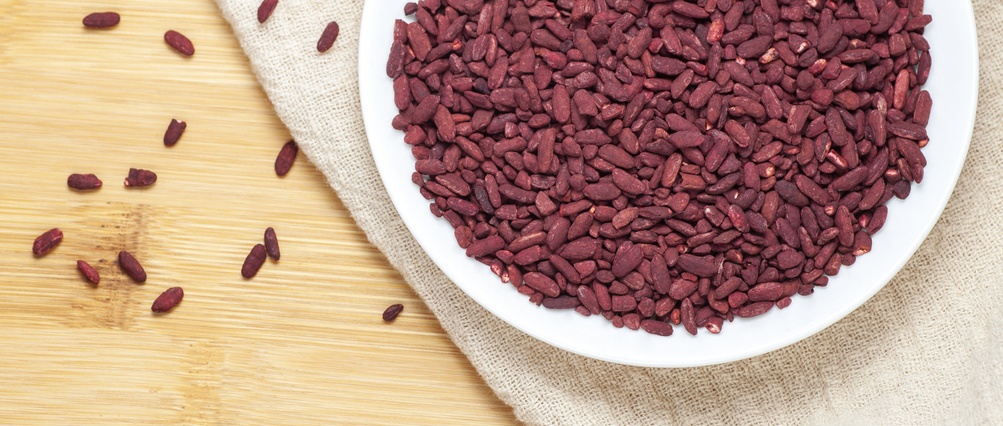
האם אורז שמרים אדום יכול להוריד את רמת הכולסטרול שלך?
תמצית אורז שמרים אדום שימשה במשך מאות שנים ברפואה הסינית המסורתית. עם רשימה של יתרונות בריאותיים המצורפים לשמה, היא צברה לאחרונה פופולריות כתוסף תזונה. אבל מהם היתרונות הבריאותיים של אורז שמרים אדום, והאם יש תופעות לוואי?
מאת ויקטוריה ראו
אודות המחברצפה בפרופיל המלא
עודכן על ידי

Victoria Raw
כותב תכנים
תואר ראשון (בהצטיינות), ספרות אנגלית
ויקטוריה היא כותבת תוכן ב-Patient, ותחומי העניין המיוחדים שלה כוללים רווחה נפשית, מגמות חברתיות והשפעת הטכנולוגיה על בריאותנו.
נכתב על ידי

אמברלי דייוויס
כותב בכיר
BA (Hons), CPD
אמברלי היא כותבת בכירה ב-Patient וכתבה בהרחבה על מגוון נושאים בתחום הבריאות והרווחה.
אודות המבקרצפה בפרופיל המלא

Dr Krishna Vakharia, MRCGP
קצין רפואה ראשי לבריאות, Optum UK
MBChB, MRCGP(2013), BMedSci (hons), DFSRH, DRCOG, PGDipDerm (Distn)
ד"ר קרישנה וקאריה היא רופאת משפחה ב-NHS. היא גם בוחנת קבועה לדיפלומה לתואר שני בדרמטולוגיה מעשית באוניברסיטת קרדיף וכן משמשת כקצינת הרפואה הראשית לבריאות ב-Optum UK.
שתפו את מחשבותיכם או חוויותיכם עם אחרים ב קהילות המטופלים שלנו.
גישה פשוטה לטיפולים ושירותי בריאות אמינים באינטרנט.
Common conditions
Get help with common conditions through the NHS, without a GP appointment.





הירשמו לניוזלטר של פיישנט
המנה השבועית שלך של עצות בריאות ברורות ואמינות - נכתבה כדי לעזור לך להרגיש מעודכן, בטוח ובשליטה.
על ידי הרשמה אתה מקבל את שלנו מדיניות הפרטיות שלנו. באפשרותך לבטל את המנוי בכל עת. לעולם לא נמכור את הנתונים שלך.