פרפור פרוזדורים ומניעת שבץ
נבדק על ידי ד"ר היילי וילאסי, FRCGP עודכן לאחרונה על ידי Dr Colin Tidy, MRCGPעודכן לאחרונה 19 דצמבר 2024
עומד בהנחיות העריכה של Patient
- הורדהורד
- שתף
- Language
- דיון
- גרסת שמע
- הוסף למקורות מועדפים בגוגל
בסדרה זו:פרפור פרוזדורים
התרופות המשמשות למניעת שבץ הקשור לפרפור פרוזדורים נקראות נוגדי קרישה. הן עוזרות למנוע היווצרות קרישי דם בכלי הדם שלך.
במבט חטוף
Atrial fibrillation (AF) can cause blood clots to form in the heart, leading to a stroke.
Strokes caused by AF are often more severe than other types of stroke.
Anticoagulant medicines can significantly reduce the risk of stroke in people with AF.
Your doctor uses a risk assessment, like the CHA2DS2-VASc score, to decide if you need medication.
Direct-acting oral anticoagulants (DOACs) are now preferred over warfarin for stroke prevention in AF.
Left atrial appendage occlusion surgery may be an option for those who cannot take anticoagulants.

לא בטוחים לגבי ערבוב תרופות?
בדוק אינטראקציות אפשריות בין תרופות, תוספים ומזונות לפני נטילתם יחד.
Why does atrial fibrillation increase your risk of having a stroke?
The main complication of atrial fibrillation (AF) is an increased risk of having a stroke. AF can interfere with the blood flow in the heart chambers. This sometimes leads to a small blood clot forming in a heart chamber.
A clot can travel in the blood vessels until it becomes stuck in a smaller blood vessel in the brain (or sometimes in another part of the body). Part of the blood supply to the brain may then be cut off, which causes a stroke. Strokes due to AF tend to be even more serious than strokes due to other causes.
The risk of developing a blood clot and having a stroke varies, depending on several factors. The level of risk can be calculated by your doctor using a set of specific questions. This will help to decide what treatments are required. All people except those at the lowest risk will be offered medication to help prevent clots from forming.
How can the risk of stroke be reduced?
Medicines called anticoagulants can be used to reduce the risk of a blood clot and so reduce the risk of stroke. Anticoagulants work by prolonging the time it takes for blood to form a clot. Some people call anticoagulation 'thinning the blood', although the blood is not actually made any thinner.
Anticoagulants reduce the risk of stroke by nearly two thirds. In other words, these treatments can prevent about 6 out of 10 strokes that would have occurred in people with AF.
Should you take medicine to reduce your risk of stroke?
Your doctor can use a risk assessment to see if you should take medicine to reduce your risk of stroke. The most commonly used risk assessment tool is called the CHA2DS2-VASc risk score. Points are added for each of the following it they apply to you:
פongestive heart failure with a recent exacerbation (1 point).
תופעות לוואי של הידרוקסיזיןypertension - past or present (1 point).
הged 75 years or older (2 points).
Diabetes (1 point).
Past history of a וtroke או transient ischaemic attack (2 points).
Vascular disease - for example, מחלת עורקים היקפית, אנגינה or previous התקף לב (1 point).
הge 65-74 years (1 point).
וex category (ie female sex scores 1 point and male scores 0).
The higher the total points score, the higher the risk of stroke. Everyone with a score of 2 or more should be treated with anticoagulation. Men with a risk of 1 may be offered anticoagulation. Women with a risk of 1 (in other words, where female sex is their only risk factor) are not offered anticoagulation because the benefits of treatment are likely to be outweighed by the risks.
Another risk score called the HAS-BLED score is used to estimate the risk of major bleeding when you are taking a medicine to reduce the risk of stroke if you have AF. This helps to decide whether or not steps should be taken to reduce your risk of bleeding if you take anticoagulation.
A risk score called ORBIT can be used to assess your risk of major bleeding, including bleeding into the brain. For most people, the benefit of anticoagulation outweighs the bleeding risk. However, if your bleeding risk is high and cannot be reduced, your doctor will discuss the pros and cons of starting (or stopping) anticoagulation.
The National Institute for Health and Care Excellence (NICE) advises that the ORBIT risk score should be used instead of HAS-BLED to assess the risk of major bleeding when starting blood-thinning medication and whilst you are on it. This is because the evidence shows that it has a higher accuracy in predicting the risk of bleeding than other bleeding risk tools.
The CHA2DS2-VASc stroke risk score and ORBIT bleeding risk score should be reassessed at least annually.
Which medicines help to reduce the risk of stroke?
אספירין is very effective at reducing the risk of a second stroke if you have had a stroke which was not due to AF. However, where AF-related stroke is concerned, aspirin is much less effective than other treatments but just as likely to cause problems. It is therefore no longer recommended to reduce the risk of stroke in AF.
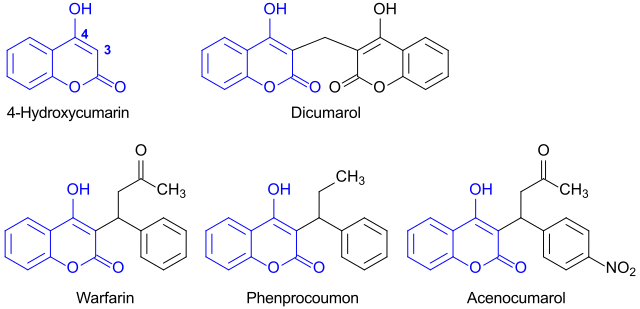
Instead, your doctor is likely to recommend an anticoagulant. In the past, וורפרין was the traditional option. However, several newer agents called direct-acting oral anticoagulants (DOACs) are now available. These are called:
Studies have shown the DOACs to be at least as effective as warfarin for reducing the risk of an AF-related stroke. In addition, they:
Carry a lower risk of bleeding into the brain.
Need much less frequent blood monitoring (you do not need regular INR blood clotting tests).
Have fewer interactions with other medications or food. These interactions could otherwise result in you being more prone to bleeding or clotting.
Do not require you to adjust the dose frequently dependent on your blood results, as warfarin does.
As a result, NICE has updated its guidance to recommend that DOACs should be offered in preference to warfarin. If you are already taking warfarin, your doctor may discuss changing you to treatment with a DOAC, depending on the results of your blood tests.
To find out more about these medicines, including the risks and benefits of the various alternatives, see the separate leaflet called Anticoagulants.
ניתוח
An operation can be used to reduce the risk of stroke for people with AF. The operation is called left atrial appendage occlusion and closes a pouch in the heart, called the left atrial appendage.
NICE in the UK has recommended that left atrial appendage occlusion can be considered as a treatment option to reduce the risk of stroke in people with AF. However, it does carry risks. It is therefore reserved for people who are at high risk of stroke and who cannot take anticoagulants.
בחירות המטופלים עבור תרופות ללב ולדם
טיפול ותרופות
נוגדי קרישה
נוגדי קרישה הם תרופות שמונעות מהדם להיקרש במהירות או ביעילות כמו בדרך כלל. יש אנשים שקוראים לנוגדי קרישה מדללי דם. עם זאת, הדם לא באמת נעשה דליל יותר - הוא פשוט לא נקרש בקלות בזמן שלוקחים נוגד קרישה. נוגדי קרישה משמשים לטיפול ומניעת היווצרות קרישי דם בכלי דם, כמו בעורקים או ורידים.
מאת ד"ר דאג מקקנזי, MRCGP
טיפול ותרופות
אספירין ותרופות נוגדות טסיות אחרות
Most people who have a cardiovascular disease (for example, angina, peripheral arterial disease, or a previous heart attack, transient ischaemic attack (TIA) or stroke) take a low-dose aspirin (75 mg) each day or clopidogrel (75 mg) each day. This reduces the risk of heart attack by about a third. It reduces the risk of having a stroke by about a quarter. A daily low dose of aspirin also reduces the risk of developing a number of common cancers, but it is not advised that everyone in the population should take aspirin for this reason. This is because in some people aspirin can increase the risk of stomach bleeding and stomach ulcers, which are sometimes fatal.
מאת ד"ר טוני הייזל, FRCGP
שאלות נפוצות
What is the primary reason atrial fibrillation increases stroke risk?
Atrial fibrillation (AF) can disrupt the normal blood flow within the heart chambers. This can lead to the formation of small blood clots. If one of these clots travels to the brain and blocks a smaller blood vessel, it can cut off blood supply and cause a stroke.
Are strokes caused by AF typically different from other types of strokes?
Strokes that occur due to atrial fibrillation tend to be more severe than strokes caused by other underlying health issues or conditions.
How often should my stroke and bleeding risk scores be checked?
Both the CHA2DS2-VASc stroke risk score and the ORBIT bleeding risk score should be re-evaluated by your doctor at least once a year.
Is it possible to reduce the risk of stroke surgically for AF patients?
Yes, an operation called left atrial appendage occlusion can be performed. This procedure closes a specific pouch in the heart to reduce stroke risk. It is generally considered for those at high risk of stroke who cannot take anticoagulant medications.
קריאה נוספת והפניות
- פרפור פרוזדורים: אבחון וניהול; הנחיות NICE (אפריל 2021 - עודכן לאחרונה ביוני 2021)
- פרפור פרוזדורים; NICE CKS, אוקטובר 2024 (גישה בבריטניה בלבד)
- Thoracoscopic exclusion of the left atrial appendage in atrial fibrillation (with or without other cardiac surgery) for the prevention of thromboembolism, NICE Interventional Procedure Guideline, June 2011
- WatchBP Home A for opportunistically detecting atrial fibrillation during diagnosis and monitoring of hypertension; NICE Medical Technologies Guidance, January 2013
- החברה האירופית לקרדיולוגיה; הנחיות לניהול פרפור פרוזדורים, 2020
- Isaew A, Adderley NJ, Ryan R, et al; The treatment of paroxysmal atrial fibrillation in UK primary care. Heart. 2017 Jun 1. pii: heartjnl-2016-310927. doi: 10.1136/heartjnl-2016-310927.
אודות המחברצפה בפרופיל המלא

Dr Colin Tidy, MRCGP
רופא כללי, מחבר רפואי
MBBS, MRCGP, MRCP (Paediatrics), DCH
ד"ר קולין טיידי הוא רופא ב-NHS, הממוקם באוקספורדשייר.
אודות המבקרצפה בפרופיל המלא

Dr Hayley Willacy, FRCGP
רופא כללי, מחבר רפואי
MBChB (1992), DRCOG, DFFP, MRCOG (Part 1) MRCGP (2007), DFSRH (2013), MSc - medical education (2020)
ד"ר היילי וילאסי הייתה רופאה כללית ב-NHS שעבדה בצפון מערב אנגליה, ופרשה מעבודתה הקלינית בשנת 2022 לאחר 30 שנות עבודה.
היסטוריית המאמר
המידע בעמוד זה נכתב ונבדק על ידי קלינאים מוסמכים.
המאמר זמין גם ב אנגלית, גרמנית, ספרדית, צרפתית, איטלקית, פורטוגזית, הינדי, עברית, ערבית, and שוודית.
הסקירה הבאה מתוכננת ל: 18 דצמבר 2027
19 דצמבר 2024 | הגרסה האחרונה

שאלו, שתפו, התחברו.
עיין בדיונים, שאל שאלות ושתף חוויות במאות נושאים בריאותיים.

מרגיש לא טוב?
הערך את הסימפטומים שלך באינטרנט בחינם
הירשמו לניוזלטר של פיישנט
המנה השבועית שלך של עצות בריאות ברורות ואמינות - נכתבה כדי לעזור לך להרגיש מעודכן, בטוח ובשליטה.
על ידי הרשמה אתה מקבל את שלנו מדיניות הפרטיות שלנו. באפשרותך לבטל את המנוי בכל עת. לעולם לא נמכור את הנתונים שלך.
עוד בטיפול ותרופות
- ניהול כעסים
- טבליות נוגדות דלקת
- תרופות נגד בלוטת התריס
- ביספוספונטים
- תחליף בופרנורפין להרואין
- מוצרים רפואיים מבוססי קנאביס
- כימותרפיה
- חיסון כולרה
- תרופות אנטי-ראומטיות משנות מחלה
- טיפול בתלות בסמים
- יחידות אצבע לסטרואידים מקומיים
- חיסון הפטיטיס A
- אינסולין
- חיסון מנינגוקוקלי לדלקת קרום המוח
- טיפולי שיחה של ה-NHS - הפניה עצמית
- הפנה את עצמך לשירותי בריאות מינית של ה-NHS
- חיסון נגד נגיף נשימתי סינסיציאלי (RSV)
- כדורי שינה
- תרופות משתנות תיאזידיות
- חיסון לדלקת מוח שמועברת על ידי קרציות