בצקת ריאות
נבדק על ידי Dr Surangi Mendis, MRCGPעודכן לאחרונה על ידי ד"ר רוזלין אדלמן, MRCGPעודכן לאחרונה 11 Sept 2023
עומד בהנחיות העריכה של Patient
- הורדהורד
- שתף
- Language
- דיון
- גרסת שמע
- הוסף למקורות מועדפים בגוגל
Pulmonary oedema is an excess of watery fluid in the lungs.
People with sudden onset of pulmonary oedema usually need urgent admission to hospital. Treatment includes oxygen, medicines to remove the excess fluid from the lungs (diuretics), and other medicines to help the heart work more effectively.
Further treatment will depend on the cause of the pulmonary oedema. Pulmonary oedema may be life-threatening, especially without urgent medical treatment.
במבט חטוף
Pulmonary oedema is an excess of watery fluid in the lungs, making it difficult to breathe.
זה נגרם לרוב מכך שהלב לא פועל ביעילות (אי ספיקת לב).
התסמינים יכולים לכלול קוצר נשימה, קושי בנשימה בשכיבה ושיעול עם דם.
אם יש לך תסמינים פתאומיים או חמורים מאוד, התקשר לאמבולנס או גש למיון.
Treatment involves oxygen, medicines to remove fluid, and addressing the underlying cause.
What is pulmonary oedema?
Pulmonary means 'to do with the lungs' and oedema means an excessive collection of watery fluid in the body. Oedema is the same thing as edema - it is spelt differently in different countries.
So, pulmonary oedema is an excess of watery fluid in the lungs. The fluid collects in the tissues and many air sacs of the lung, making it difficult to breathe. Pulmonary oedema is most often caused by your heart not working effectively, also known as heart failure.
Pulmonary oedema is a common condition in elderly people but very uncommon in young people.
What is high altitude pulmonary oedema?
High altitude pulmonary oedema (HAPE) is a type of pulmonary oedema that occurs in previously healthy people who go to high altitude regions (for example climbing mountains). It is a severe form of altitude sickness. It usually happens when a person who lives at low altitude travels to an altitude above 2500 metres. It is not caused by a problem with the heart.
What is swimming-induced pulmonary oedema?
Swimming-induced pulmonary oedema (SIPE) is also known as immersion pulmonary oedema. It occurs when you exercise whilst in water, for example swimming and scuba-diving. The frequency has increased with the recent popularity of triathlons and open-water swimming events.
What is the difference between pulmonary oedema and pneumonia?
Pulmonary oedema and pneumonia may have similar symptoms. However they have different causes. Pulmonary oedema is an excess of watery fluid building up in the lungs, usually caused by a heart problem. Pneumonia is an infection of the lungs, which could be caused by a bacteria, virus or fungus. Pneumonia can cause pulmonary oedema because the infection of the lung tissue can cause fluid to build up.
What is the difference between pulmonary oedema and pleural effusion?
Pulmonary oedema is the collection of excess fluid in the tissues and air sacs in the lungs. A pleural effusion is a collection of fluid in the lining on the outside of the lungs.
Symptoms of pulmonary oedema
Symptoms may include:
קוצר נשימה.
Breathlessness when exercising.
Difficulty breathing when lying down flat (orthopnea). You may need to sleep with your head propped up with extra pillows.
Waking in the night feeling breathless.
Coughing up blood or bloody froth (haemoptysis).
Other symptoms may include חרדה or restlessness, a reduced level of consciousness and excessive sweating. You may have a blue tinge colour of your lips or fingers.
Causes of pulmonary oedema
Pulmonary oedema can occur because of the following reasons:
אי ספיקת לב (cardiogenic pulmonary oedema).
An increase in pressure in the blood vessels in the lungs. This often occurs with heart failure, where the heart is pumping blood less efficiently.
Damage to the very small blood vessels (capillaries) in the lungs, allowing more fluid to pass into the lungs. This occurs with lung injury - eg, smoke inhalation or pneumonia.
Failure of the vessels (lymphatics) to clear fluid from the lungs.
Cardiogenic pulmonary oedema
Pulmonary oedema is most often caused by heart failure. Heart failure that leads to pulmonary oedema may be due to a number of different causes. These may include:
ה התקף לב.
Any disease of the heart that weakens or stiffens the heart muscle (קרדיומיופתיה היפרטרופית או קרדיומיופתיה מורחבת).
Sudden, severe לחץ דם גבוה (יתר לחץ דם).
When the heart is not able to pump blood to the body efficiently, the amount of blood staying in the veins that take blood through the lungs to the left side of the heart increases.
As the pressure in these blood vessels increases, fluid is pushed into the air spaces (alveoli) in the lungs. This fluid reduces normal oxygen movement through the lungs, which can lead to shortness of breath.
See the leaflets called אנטומיה של הלב ו מערכת הנשימה. These explain the function of the heart and lungs and the interaction between them which normally keeps fluid levels stable.
Read more about heart failure in the separate leaflet called Congestive Heart Failure.
Non-cardiogenic pulmonary oedema
Pulmonary oedema may also be caused by conditions other than heart conditions, including:
Acute (adult) respiratory distress syndrome (ARDS).
Acute kidney injury or chronic kidney disease.
Lung damage caused by poisonous gas or severe infection.
Following a major injury.
מתי לפנות לרופא
If you think you have any of the symptoms of pulmonary oedema that are described above you should see a doctor. If the symptoms come on gradually you should see your GP. If you have sudden or very severe symptoms (especially breathlessness) then you should call an ambulance or go to the nearest A&E department.
How is pulmonary oedema diagnosed?
An examination by a doctor will include:
Checking the rate and rhythm of your heartbeat (pulse).
Checking your blood pressure.
Checking how fast you are breathing.
Listening with a stethoscope for abnormal noises in the lungs, indicating that abnormal fluid is present.
Listening for heart murmurs, indicating a problem with the heart valves.
Possible tests
כוללים:
בדיקות דם, which are carried out to look for:
Levels of salts in the blood.
Whether pulmonary oedema has been caused by a heart attack.
A substance called natriuretic peptide, which tends to be raised in people with heart failure.
Monitoring blood oxygen levels, using pulse oximetry, which uses a sensor placed over a thin area of skin such as a fingertip.
צילום רנטגן חזה to look for signs of heart failure or any other problem in the lungs, such as pneumonia.
An ultrasound scan of the heart (an echocardiogram) to see if there are problems with the heart muscle (such as weakness, thickness, failure to relax properly, leaky or narrow heart valves, or fluid surrounding the heart).
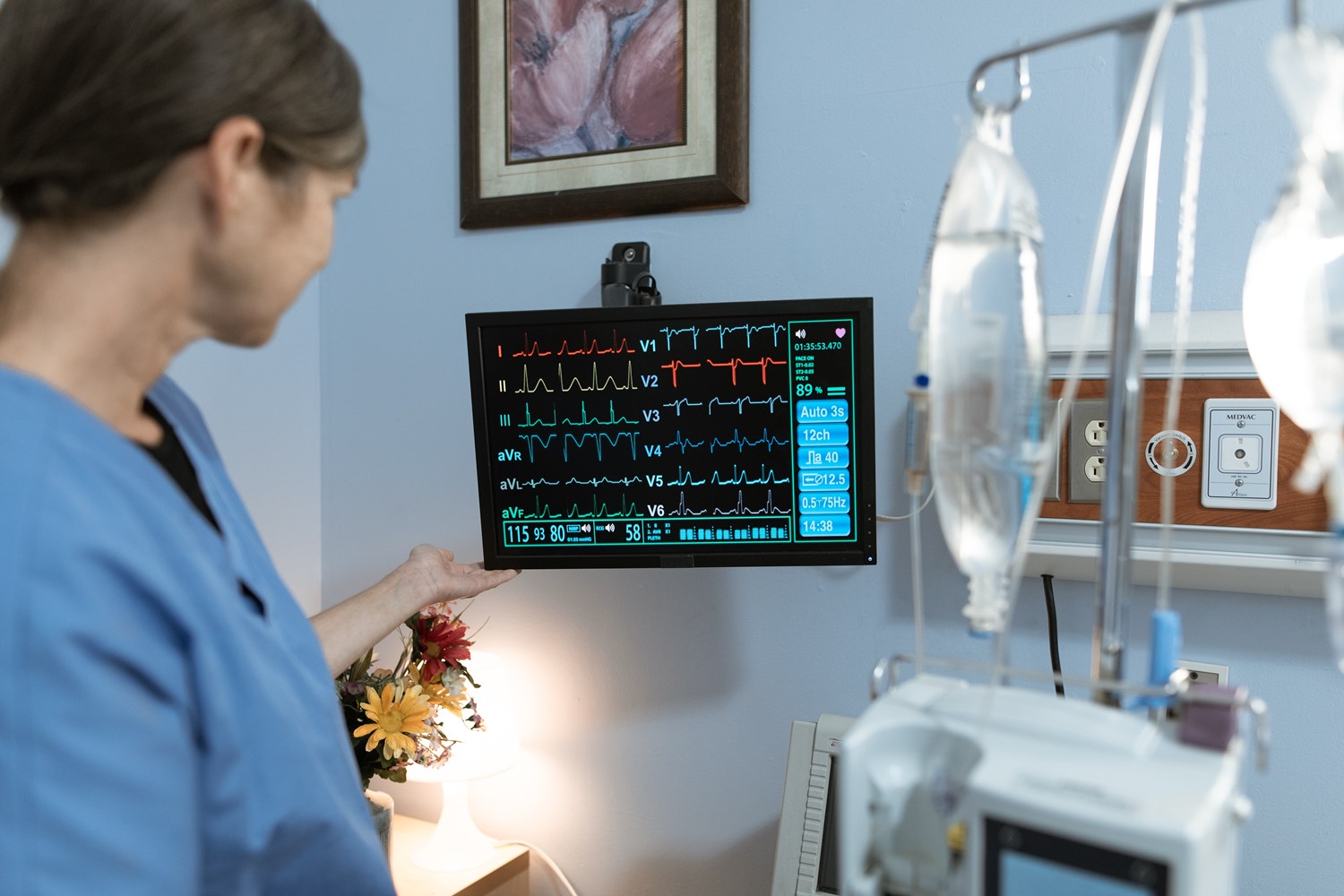
A 'heart tracing' (electrocardiogram, or ECG) to look for signs of a heart attack or problems with the heart rhythm.
How is pulmonary oedema treated?
People with sudden onset of pulmonary oedema usually need urgent admission to hospital. They require treatment with:
Oxygen (if body oxygen levels are low).
Medicines to remove the excess fluid from the lungs (diuretics).
Other medicines to help the heart work more effectively.
These medicines are usually given through the veins (intravenously, or IV). Further treatment will depend on the cause of the pulmonary oedema. See also the separate leaflet called Congestive Heart Failure.
Urgent treatment is also needed for the cause of the pulmonary oedema, such as treatment for a heart attack, high-altitude sickness or acute kidney injury.
If oxygen and medicines do not successfully treat the pulmonary oedema, it may be necessary to use a ventilator or other methods to help with breathing until the pulmonary oedema is improving.
האם יש סיבוכים?
If pulmonary oedema continues, it can cause increased pressure in the right side of the heart and eventually cause the right ventricle to fail. Failure of the right ventricle can cause fluid swelling of the legs (oedema), fluid swelling of the tummy (abdomen), called ascites, and congestion and swelling of the liver.
Preventing pulmonary oedema
Pulmonary oedema can only be prevented by preventing the causes of the oedema. The most common cause is heart problems. You can help to keep your heart healthy by:
Not smoking.
Drinking no more than the recommended amounts of alcohol (14 units per week for women and 21 units per week for men).
Eating a balanced, healthy diet.
Taking regular, physical exercise.
Keeping to a healthy weight.
Keeping your blood pressure under control.
Keeping diabetes under control if you have it.
Taking any medication you are prescribed, especially if you have a heart condition.
If you are going to a high altitude region, take expert advice before you travel.
Outlook
The outlook (prognosis) depends on the cause of the pulmonary oedema. Pulmonary oedema may get better, either quickly or slowly. However, it can also be life-threatening, especially without urgent medical treatment.
בחירות המטופלים עבור אי ספיקת לב

בריאות הלב וכלי הדם
עודף נוזלים
Fluid overload means that there is too much fluid in the body. The increased level of fluid results in an excessive amount of fluid flowing around the circulatory system. This can overwork the heart and lead to heart failure.
מאת ד"ר היילי וילאסי, FRCGP
בריאות הלב וכלי הדם
אי ספיקת לב
Heart failure does not mean that your heart has stopped or is going to stop at any minute. It means that your heart is not functioning as well as it should. Heart failure can be caused by many different conditions. Symptoms include fluid retention, breathlessness and tiredness. Medication can usually ease symptoms and can often improve the outlook.
מאת ד"ר קולין טיידי, MRCGP
שאלות נפוצות
Can pulmonary oedema affect other organs in the body?
כן, אם בצקת ריאות נמשכת, היא יכולה להוביל ללחץ מוגבר בצד הימני של הלב, מה שעלול לגרום לכשל בחדר הימני. זה יכול לגרום לנפיחות נוזלים ברגליים, בבטן (מיימת), ולגודש ונפיחות בכבד.
כיצד אוכל להפחית את הסיכון שלי לפתח בצקת ריאות?
כדי להפחית את הסיכון שלך, חשוב למנוע את הגורמים הבסיסיים. מכיוון שבעיות לב הן הגורם הנפוץ ביותר, תוכל לעזור על ידי אי עישון, מתן שתייה מתונה של אלכוהול, אכילת תזונה בריאה, פעילות גופנית סדירה, שמירה על משקל בריא, שליטה בלחץ דם, ניהול סוכרת אם יש לך, ונטילת תרופות לב שנרשמו לך. אם נוסעים לגבהים גבוהים, יש לפנות לייעוץ מומחה מראש.
מהו זמן ההחלמה הטיפוסי לבצקת ריאות?
התחזית וזמן ההחלמה לבצקת ריאות תלויים בגורם הבסיסי שלה. היא יכולה להשתפר במהירות או באיטיות. עם זאת, חשוב לציין שהיא יכולה להיות מסכנת חיים ללא טיפול רפואי מיידי.
מה קורה אם תרופות או חמצן לא משפרים בצקת ריאות?
אם חמצן ותרופות אינם מצליחים בטיפול בבצקת ריאות, ייתכן שיהיה צורך בשיטות אחרות לסיוע בנשימה, כמו שימוש במכונת הנשמה, עד שהמצב יתחיל להשתפר.
האם יש בדיקות דם ספציפיות שיכולות לעזור באבחון בצקת ריאות?
כן, בדיקות דם יכולות לשמש לבדיקה של אנמיה, תפקוד כליות ורמות מלחים בדם. הן יכולות גם לקבוע אם הבצקת הריאתית נגרמה על ידי התקף לב ולמדוד חומר הנקרא פפטיד נתריורטי, שלעיתים קרובות מוגבר אצל אנשים עם אי ספיקת לב.
קריאה נוספת והפניות
- אבחון וניהול אי ספיקת לב חריפה במבוגרים; הנחיות קליניות של NICE (אוקטובר 2014 - עודכן נובמבר 2021)
- Purvey M, Allen G; Managing acute pulmonary oedema. Aust Prescr. 2017 Apr;40(2):59-63. doi: 10.18773/austprescr.2017.012. Epub 2017 Apr 3.
- אי ספיקת לב כרונית במבוגרים - אבחון וניהול; הנחיות NICE (ספטמבר 2018)
- הנחיות ESC 2021 לאבחון וטיפול באי ספיקת לב חריפה וכרונית; פותח על ידי צוות המשימה לאבחון וטיפול באי ספיקת לב חריפה וכרונית של האגודה האירופית לקרדיולוגיה (ESC) עם התרומה המיוחדת של איגוד אי ספיקת הלב (HFA) של ה-ESC
אודות המחברצפה בפרופיל המלא

ד"ר רוזלין אדלמן, MRCGP
MRCGP
ד"ר רוזלין אדלמן, היא רופאת משפחה ב-NHS העובדת בצפון לונדון.
אודות המבקרצפה בפרופיל המלא

ד"ר סורנגי מנדיס, MRCGP
יועץ ומחבר רפואי
MBBS, BSc (ראשון), MRCGP (2014), DFSRH, PGcert אוטולוגיה ואודיולוגיה
סורנגי מנדיס היא יועצת ברפואה אודיו-וסטיבולרית ונוירו-אוטולוגיה בבית החולים המלכותי הלאומי לאף אוזן גרון ובית החולים הדנטלי איסטמן, UCLH.
היסטוריית המאמר
המידע בעמוד זה נכתב ונבדק על ידי קלינאים מוסמכים.
המאמר זמין גם ב אנגלית, גרמנית, ספרדית, צרפתית, איטלקית, פורטוגזית, הינדי, עברית, ערבית, and שוודית.
Next review due: 9 Sept 2028
11 Sept 2023 | הגרסה האחרונה

שאלו, שתפו, התחברו.
עיין בדיונים, שאל שאלות ושתף חוויות במאות נושאים בריאותיים.

מרגיש לא טוב?
הערך את הסימפטומים שלך באינטרנט בחינם
הירשמו לניוזלטר של פיישנט
המנה השבועית שלך של עצות בריאות ברורות ואמינות - נכתבה כדי לעזור לך להרגיש מעודכן, בטוח ובשליטה.
על ידי הרשמה אתה מקבל את שלנו מדיניות הפרטיות שלנו. באפשרותך לבטל את המנוי בכל עת. לעולם לא נמכור את הנתונים שלך.
עוד בבריאות הלב וכלי הדם
- תסמונת כלילית חריפה
- היצרות אאורטלית
- מחלת בירגר
- צנתור לב
- אנזימים לבביים
- מחלות לב וכלי דם
- עווית עורק כלילי
- קרדיומיופתיה מורחבת
- דלקת עורקים של תאי ענק
- לחץ דם גבוה
- מדידת לחץ דם בבית ובניידות
- משתנים לולאתיים
- לחץ דם נמוך
- אנגינה מיקרווסקולרית
- דלקת שריר הלב
- תסמונת אוסלר-וובר-רנדו
- מחלת עורקים היקפית
- תסחיף ריאתי
- טכיקרדיה על-חדרית
- תרופות משתנות תיאזידיות